What Is Residential Irrigation and How Does It Work?
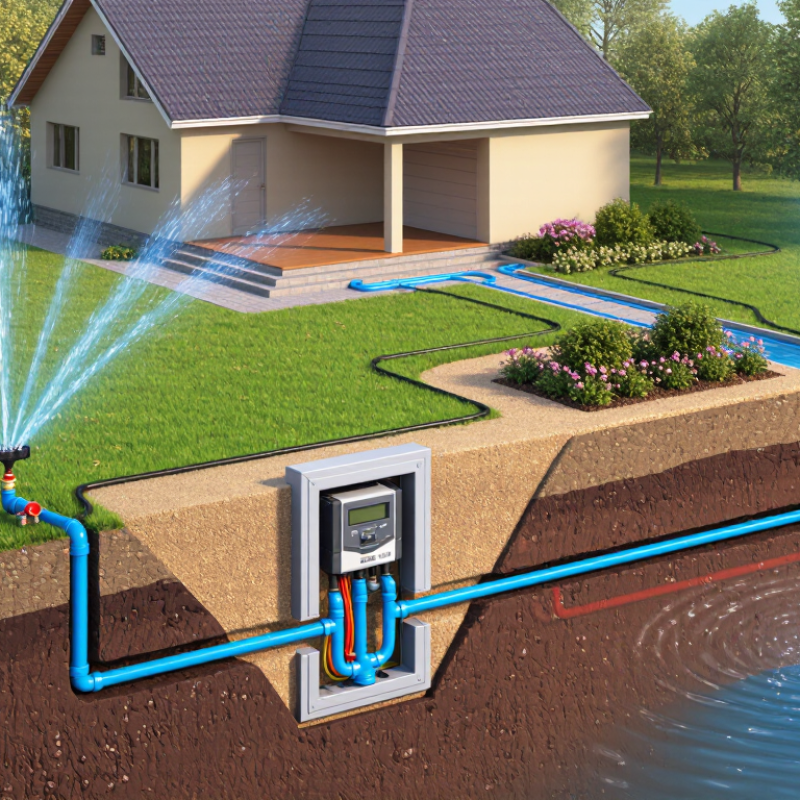
Residential irrigation is the planned delivery of water to lawns, gardens, trees, and planting beds around a home. It replaces guesswork with controlled watering. A typical system uses a backflow device, valves, underground pipes, sprinklers, drip lines, and a controller. When the schedule begins, the controller opens a valve. Pressurized water then travels through the selected zone.
Irrigation Association educator John Taylor explains, “An efficient irrigation system applies water slowly, evenly, and only where plants need it.” That principle guides modern residential irrigation. Rotor sprinklers cover larger lawns, while spray heads serve smaller areas. Drip tubing releases water near plant roots. Soil type, slope, sun exposure, and plant needs all affect performance. Sandy soil may require shorter, more frequent cycles. Clay soil needs slower application to limit runoff.
Small details matter. A tilted sprinkler can leave a dry crescent beside a soaked sidewalk. A clogged nozzle can quietly damage an entire planting bed. Weather-based controllers can reduce watering after rainfall, but they still need occasional review. Technology helps. It does not think perfectly. That is the part homeowners sometimes forget.
A reliable system should be inspected during the growing season. Check broken heads, pooling water, overspray, and uneven plant growth. Adjusting one valve may save hundreds of gallons over time. Residential irrigation is not simply about adding more water. It is about placing the right amount in the right location, at the right moment. The best results come from observation, maintenance, and a willingness to question the original schedule.
What Is Residential Irrigation?
Residential irrigation is the planned delivery of water to lawns, gardens, trees, and planting beds around a home. It usually includes a water source, filter, pressure regulator, controller, valves, pipes, and sprinklers or drip emitters. The controller opens each valve according to a schedule. Water then moves through underground lines and reaches specific zones.
The U.S. Environmental Protection Agency’s WaterSense program reports that landscape irrigation can represent nearly one-third of residential water use in the United States. It also estimates outdoor irrigation consumes more than 9 billion gallons daily. These figures explain why system design matters. A technician may divide a yard into zones because grass, shrubs, and flower beds need different watering rates. Drip lines release water slowly near roots, while rotary sprinklers cover larger areas.
Small details affect performance. A sloped lawn may produce runoff before roots absorb enough moisture. Wind can push spray onto sidewalks. The Water Research Foundation’s Residential End Uses of Water research shows that outdoor demand varies with climate, property size, and household habits. Sensors and weather-based controllers can adjust watering after rainfall, but they are not flawless. Poorly placed sensors still create waste.
Real homes need observation. A homeowner should check clogged nozzles, broken heads, and wet patches near foundations. Sometimes, less watering works better. Soil type, season, and plant maturity should guide adjustments, not a fixed timer alone.
| Data Dimension | Typical Residential Information | How It Works or Why It Matters |
|---|---|---|
| Definition | Residential irrigation is the controlled application of water to lawns, gardens, trees, shrubs, and other home landscapes. | It supplements rainfall and delivers water when plants need additional moisture for healthy growth. |
| Common Water Sources | Municipal water supply, private wells, rainwater-storage systems, or collected surface water where permitted. | The source supplies water to the irrigation system through a main line, pump, or dedicated connection. |
| Main System Components | Water source, shutoff valve, backflow-prevention device, filter, pressure regulator, control valves, pipes, emitters, and controller. | Each component helps move, filter, regulate, distribute, or schedule water safely and efficiently. |
| Sprinkler Irrigation | Pop-up or gear-driven sprinklers commonly cover lawns and large planting areas. | Pressurized water is sprayed through nozzles to imitate rainfall. Spray patterns should overlap adequately for even coverage. |
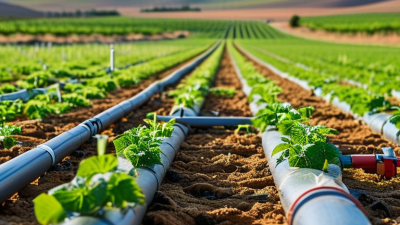
| Drip Irrigation | Dripline or point-source emitters are commonly used for garden beds, shrubs, containers, and trees. | Water is released slowly near the root zone, reducing evaporation and limiting wetting of paths or foliage. |
| Typical Operating Pressure | Approximately 30–60 psi (207–414 kPa) | Many residential systems operate within this range, although the required pressure depends on the device, elevation, pipe layout, and local plumbing conditions. |
| Typical Flow Rate | Approximately 5–20 gallons per minute (19–76 liters per minute) per irrigation zone | Actual flow depends on available supply, pipe size, sprinkler type, emitter count, and system pressure. |
| Irrigation Zones | Separate zones are often created for lawns, planting beds, containers, slopes, and areas with different sun or soil conditions. | Zone separation allows each area to receive an appropriate duration and flow rate without exceeding the water supply capacity. |
| Watering Depth | Common landscape target: about 6–12 inches (15–30 cm) of soil moisture for established plants | Deep, less-frequent watering can encourage deeper root development, provided the soil drains properly and plant requirements are considered. |
| Watering Frequency | Often 1–3 times per week during dry periods, adjusted for rainfall, soil type, plant species, temperature, and local restrictions. | Clay soils generally require slower application, while sandy soils may need shorter and more frequent watering. |
| Typical Run Times | Spray sprinklers: about 5–15 minutes; rotary sprinklers: about 20–45 minutes; drip systems: about 20–60 minutes | These are broad starting ranges only. Run time should be adjusted using soil infiltration, measured output, plant condition, and runoff observations. |
| Water Application Rate | Spray sprinklers often apply about 1–2 inches per hour; rotary sprinklers commonly apply about 0.2–0.6 inches per hour. | Knowing the application rate helps prevent runoff and allows watering schedules to be based on the amount of water actually delivered. |
| Controller Function | Controllers set start times, watering days, run times, seasonal adjustments, and zone sequences. | Automatic scheduling reduces the need for manual operation and can pause or reduce irrigation after rainfall when paired with suitable sensors. |
| Weather-Based Control | Weather-based controllers use factors such as temperature, rainfall, wind, solar exposure, and plant water demand. | They adjust irrigation according to changing conditions instead of using the same schedule throughout the year. |
| Soil-Moisture Sensors | Sensors measure moisture at a selected depth and can suspend watering when the soil is sufficiently wet. | They help reduce unnecessary irrigation, especially after rainfall or in areas with different soil-retention characteristics. |
| Backflow Protection | A backflow-prevention device is installed where required by local plumbing regulations. | It helps stop irrigation water from flowing backward into the potable-water supply. |
| Maintenance Frequency | Inspect the system at least seasonally and check visible components before and during the watering season. | Cleaning filters, adjusting heads, repairing leaks, and checking valves can improve coverage and reduce water waste. |
| Common Problems | Clogged nozzles, broken sprinkler heads, leaking pipes, misaligned spray patterns, low pressure, and incorrect controller settings. | These issues can create dry spots, overspray, runoff, plant disease, or unnecessarily high water use. |
| Efficiency Practices | Water during low-wind periods, use matched precipitation rates, repair leaks promptly, apply mulch, and avoid watering paved surfaces. | Efficient design and scheduling place more water in the root zone while reducing evaporation, runoff, and overspray. |
| System Winterization | In freezing climates, exposed or buried irrigation lines may need draining or compressed-air blowout before freezing weather. | Removing water from vulnerable components helps reduce the risk of cracked pipes, valves, and sprinkler bodies. |
Related Posts
-
What Is the Best Plant Irrigation System in 2026?
-
How to Set Up a DIY Irrigation System?
-
10 Best Landscape Irrigation Systems for Global Buyers
-
2026 Best Drip Tube Irrigation Systems for Global Buyers?
-
Top 10 Types of Plant Irrigation Systems Which Is Best?
-
China Top 10 Sprinkler and Irrigation Suppliers?