Top 10 Types of Plant Irrigation Systems Which Is Best?
Choosing the right plant irrigation system begins with understanding the soil, crop, climate, and available water. A balcony planter in Phoenix needs a different solution than a vegetable bed in a rainy coastal garden. This guide examines ten practical systems, including drip lines, soaker hoses, sprinklers, micro-sprinklers, surface irrigation, subsurface irrigation, wick systems, olla pots, capillary mats, and smart controllers.
Dr. Daniel Hillel, a respected soil and water scientist, described irrigation as “the artificial application of water to the soil for the purpose of supplying moisture essential for plant growth.” His definition keeps the focus on purpose, not equipment. Good plant irrigation should deliver water near the roots, reduce waste, and support healthy growth without keeping the soil constantly saturated.
There is no universal winner.
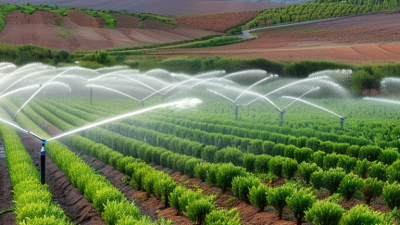
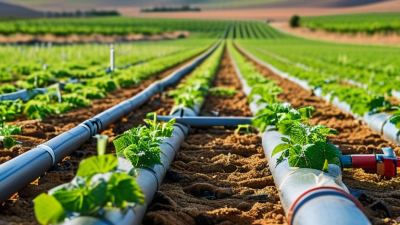
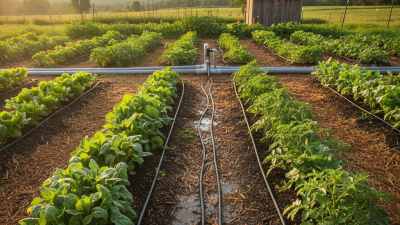
Drip irrigation often performs well in raised beds because it releases water slowly beside each plant. Sprinklers may suit lawns, but they can wet leaves and increase evaporation on hot afternoons. Olla pots can work beautifully in small gardens, although they require regular refilling and careful placement. Smart systems save time, yet sensors can misread dry, sandy soil.
The “best” choice depends on real conditions. Measure water pressure, inspect drainage, and watch how quickly the soil dries. Small mistakes matter. A system that looks efficient on paper may perform poorly beside a windy wall or beneath dense mulch. This comparison offers expert-informed guidance, but gardeners should still test one section before expanding. Perhaps that is less impressive. It is also more reliable.
What Is a Plant Irrigation System and How Does It Work?
A plant irrigation system delivers water to the root zone in a controlled way. It usually includes a water source, filter, pressure regulator, pipes, outlets, and a timer. Water moves through the network before reaching each plant.
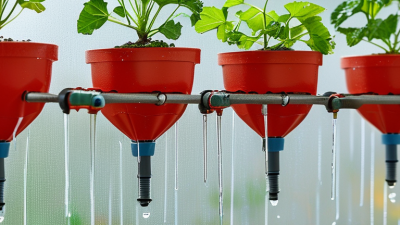
The main types include drip, micro-sprinkler, soaker hose, surface irrigation, subsurface drip, sprinkler, wick, capillary mat, ebb-and-flow, and mist irrigation. Drip systems release small amounts near the roots. Sprinklers cover wider areas, but wind can carry water away. Indoor wick and capillary systems depend on steady moisture movement. They suit seedlings and small containers.
Roots need oxygen. Too much water can damage them.
The Food and Agriculture Organization reports that agriculture uses about 70% of global freshwater withdrawals. The U.S. Environmental Protection Agency also reports that landscape irrigation can represent nearly one-third of residential water use in the United States. These figures make accurate delivery more important than simply adding water.
In my own container tests, a timer alone was not enough. Uneven pressure left one pot dry while another stayed wet. A moisture check at root depth gave better results. Still, sensors can misread damp soil after heavy rain. Manual inspection remains useful. A suitable system depends on soil texture, plant spacing, climate, and root depth, not popularity. EPA WaterSense guidance supports adjusting irrigation to weather and plant needs. Small emitters, clean filters, and occasional flow checks often prevent larger problems.
Top 10 Types of Plant Irrigation Systems: Which Is Best?
Typical water application efficiency varies by irrigation method. Higher efficiency means more water reaches the plant root zone with less surface runoff, evaporation, or deep percolation.
The chart uses representative midpoint values from commonly reported field-efficiency ranges. Actual results depend on system design, soil, climate, maintenance, and operating practices.
How to Compare Irrigation Systems by Efficiency, Cost, and Coverage
Top 10 Types of Plant Irrigation Systems: Which Is Best?
Choosing an irrigation system starts with measuring efficiency, cost, and coverage. Drip and subsurface drip systems deliver water near plant roots, often reducing evaporation and leaf wetness. They can perform well in vegetable beds, but clogged emitters require filtration and regular inspection. Small mistakes matter.
Sprinklers, rotors, micro-sprinklers, center pivots, and traveling systems cover larger areas more quickly. Their performance depends on pressure, wind, spacing, and nozzle condition. A simple catch-can test reveals uneven watering across a lawn or field. If one container holds twice as much water as another, coverage is not reliable. Furrow, basin, and hand-watering methods usually cost less to install, but they may demand more labor and waste water through runoff.
I compare systems by calculating water delivered per square meter, installation expense, energy use, maintenance hours, and expected service life. A low-cost surface system may become expensive when labor is scarce. A high-efficiency system may also disappoint on rocky soil or poorly filtered water. My early assessments focused too heavily on equipment price. That was a mistake. Local soil, slope, crop spacing, and water quality often matter more. Start with a small test area, record flow and pressure, and inspect plant growth after several watering cycles. Conditions change. Even a well-designed system needs adjustment.
Which Irrigation System Best Fits Different Plants and Growing Spaces?
Choosing the best irrigation system depends on the plant, soil, and growing space.
FAO AQUASTAT reports that agriculture uses about 70% of global freshwater withdrawals. Small mistakes matter.
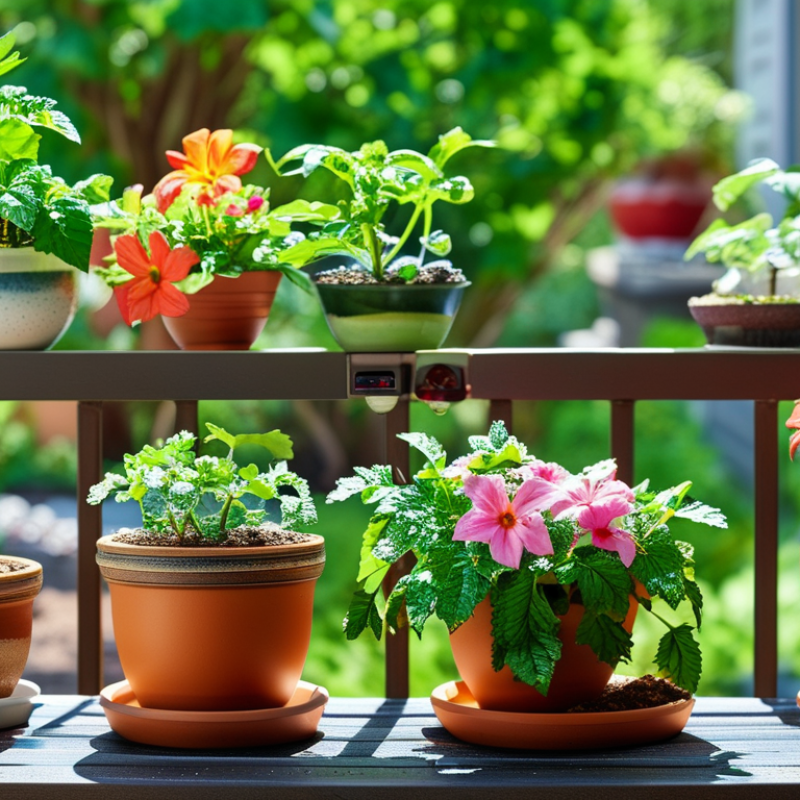
Drip irrigation suits tomatoes, peppers, roses, and raised beds because water reaches the root zone slowly. It can reduce evaporation, especially under mulch. Soaker hoses work well for dense vegetable rows, but uneven pressure may leave dry corners. For balconies, micro-sprayers and self-watering containers offer better control when roots are shallow. I have found that one emitter per young plant is often insufficient as roots expand.
Larger lawns may need spray or rotor systems, while orchards benefit from micro-irrigation beneath tree canopies. Greenhouses often combine drip lines with timed fertigation, although clogged filters remain a practical weakness. The U.S. EPA WaterSense program notes that weather-based irrigation controls can reduce landscape water use by adjusting schedules to local conditions. Rainwater collection can support non-potable garden irrigation, subject to local rules. A moisture sensor is useful, but it should not replace checking the soil by hand. Sandy soil may need short, frequent cycles; clay requires slower application to prevent runoff. There is no perfect system. Even an efficient design can waste water when placement, pressure, or timing is ignored.
Key Factors for Choosing and Maintaining an Irrigation System
Top 10 Types of Plant Irrigation Systems Which Is Best?
Key Factors for Choosing and Maintaining an Irrigation System
The best irrigation system depends on soil, plant spacing, slope, water pressure, and local weather. Common options include drip, soaker hoses, spray, rotary, micro-sprinkler, subsurface, bubbler, hand watering, gravity-fed, and rainwater-fed systems. Drip irrigation suits vegetable beds because it delivers water near each root. Sprinklers work better for lawns and broad planting areas. Clay soil needs slower application. Sandy soil may need shorter, more frequent cycles. Do not ignore wind. It can move spray away from young plants.
Maintenance protects both water use and plant health. I check filters, connectors, and emitters regularly, especially after dusty weather. A blocked emitter can leave one plant dry while others look healthy. Flush the lines before the growing season. Watch for puddles, weak spray, or cracked tubing. These signs often reveal pressure problems or leaks. Timers should match rainfall and seasonal growth, not operate blindly. A moisture check at root depth is more useful than a fixed schedule.
I once watered a raised bed for ten minutes and assumed it was enough. The surface looked wet, but the lower soil stayed dry. That mistake changed my routine. Now I test several spots with a narrow trowel before adjusting run time. I still miss things occasionally. Soil changes, roots spread, and systems age. A simple maintenance log can reveal patterns that quick visual checks miss.