Choosing the best plant irrigation system in 2026 is not simply a matter of buying the newest controller. It depends on plant type, soil texture, garden size, water pressure, climate, and daily availability. A basil pot on a sunny balcony needs different support from a row of tomatoes in heavy clay. Small details matter.
This guide examines drip irrigation, soaker hoses, micro-sprinklers, and smart systems with soil sensors. Each option has strengths and practical weaknesses. Drip lines can deliver water near the roots, reducing surface evaporation. However, blocked emitters may quietly leave one plant dry. Soaker hoses are simple and affordable, yet they can water unevenly on sloped ground. Smart controllers save time, but poor sensor placement can produce confident mistakes.
Real garden experience should guide the final choice. Observe the soil beneath the surface, check emitters weekly, and compare plant growth after several watering cycles. A finger test still helps. Technology is useful, not magical.
Reliable plant irrigation should apply water slowly, consistently, and only when plants need it. Look for adjustable flow, durable fittings, easy maintenance, and clear instructions. Also consider winter storage and replacement parts before choosing a complex system. The “best” system may not be the most expensive one. It may be the system you can inspect, repair, and use correctly throughout the season. Conditions change, and even a well-planned setup may need adjustment.
What Is the Best Plant Irrigation System in 2026?
How Plant Irrigation Systems Work
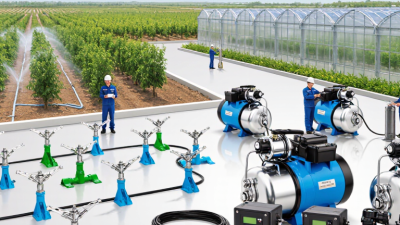
A plant irrigation system delivers water through pipes, valves, filters, and outlets. A controller opens a valve according to a schedule or sensor reading. Water then travels toward each plant’s root zone. Water moves quietly.
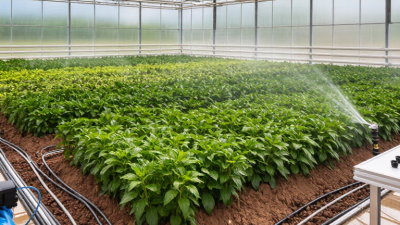
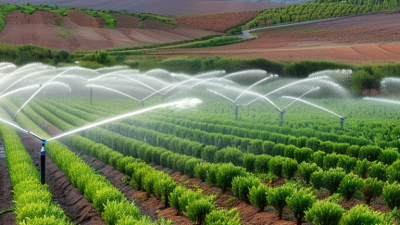
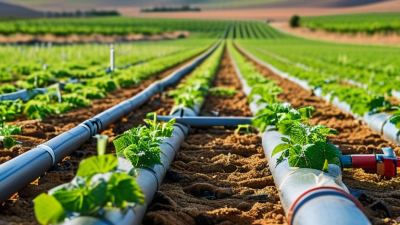
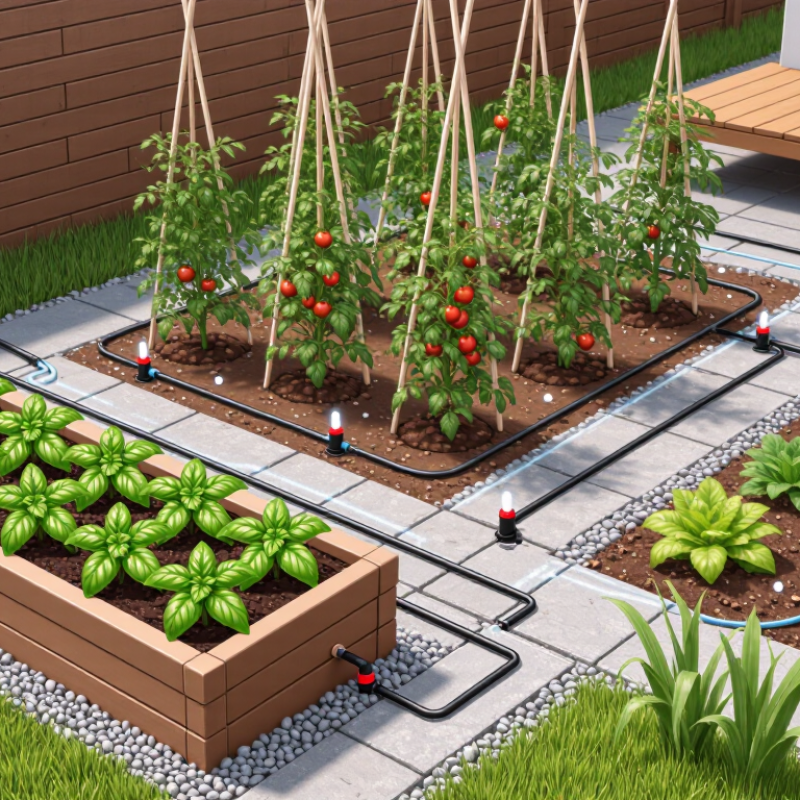
Drip systems release slow, measured drops near the soil surface. They reduce evaporation and keep leaves dry, which can lower some disease risks. Sprinklers cover larger areas, but wind can redirect water. Porous hoses spread moisture along planting beds. In my experience, pressure changes often create uneven watering. Plants near the inlet may receive too much, while distant plants stay thirsty. A pressure regulator and clean filter help prevent this problem.
Tips: Check soil moisture before extending the watering time. Insert a finger several centimeters into the soil. If it feels cool and slightly damp, wait. Clean filters regularly, and inspect connectors for small leaks. Small leaks matter. Soil type also changes performance. Sandy soil drains quickly, while clay soil holds water near the surface. A moisture sensor can improve timing, but it is not perfect. Sensors may misread dry pockets, roots, or recently disturbed soil. Test one section by hand before trusting the entire system. Roots need balance. Overwatering can be as harmful as drought, especially in containers with poor drainage.
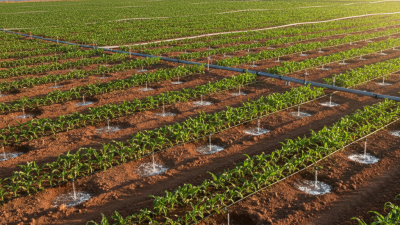
Choosing the best plant irrigation system depends on plant spacing, soil texture, climate, and available water pressure. In 2026, drip irrigation remains highly practical for vegetable beds, raised planters, and young trees. Small emitters release water near each root zone, reducing surface evaporation. Filters and pressure regulators are essential. Without them, clogged emitters can quietly kill plants.
Micro-sprinkler systems suit ground cover, nursery trays, and densely planted borders. They spread water over a wider area than drip lines. Soaker hoses work well in straight beds and small gardens. They are simple, but uneven pressure may leave one end noticeably drier. I have seen this problem after only a few weeks.
Smart irrigation systems use soil-moisture sensors, weather data, and timed valves. They can prevent watering after rainfall. However, sensors need correct placement and occasional testing. A probe under loose mulch may report misleading moisture levels. That mistake is easy to miss.
Wick systems and self-watering containers offer a low-energy option for herbs and indoor plants. They use capillary action instead of pumps. Hydroponic systems provide precise nutrient delivery, but they demand closer monitoring of pH, temperature, and root health. My own setup still needs manual checks, especially during sudden heat. Technology helps, but roots cannot read an app.
What Is the Best Plant Irrigation System in 2026?
The best irrigation system matches root depth, soil texture, climate, and planting density. A shallow-rooted lettuce bed needs frequent, gentle watering. Mature shrubs usually need deeper cycles with longer drying periods. Sandy soil drains quickly, while clay soil may hold water near the surface. Measure first.
FAO’s AQUASTAT data reports that agriculture uses about 70% of global freshwater withdrawals. This makes accurate scheduling more important than simply increasing flow. For vegetables and containers, pressure-regulated drip lines can place water beside the root zone. For dense groundcover, micro-sprays may provide more even coverage. Trees need separate zones because their roots and watering rhythm differ.
EPA WaterSense guidance estimates that efficient irrigation controllers can save an average household about 8,800 gallons annually. Weather-based scheduling helps, but sensors cannot fix poor placement. A rain sensor under a roof overhang may report dry conditions incorrectly. I have also seen “smart” schedules overwater compacted soil after light rain. Watch the soil. Check moisture several inches below the surface before extending runtime. The USDA Natural Resources Conservation Service recommends considering infiltration rate, slope, and soil structure when designing irrigation. Yet real gardens remain imperfect. Wind, blocked emitters, and uneven pressure can change results within one bed. A practical system should allow separate zones, seasonal adjustment, and easy visual inspection.
Match the irrigation method to the plant's typical weekly water requirement. The values below are practical planning estimates for established plants during active growth; local climate, soil, rainfall, and container size can change the final setting.
How to choose: Drip irrigation is generally suitable for vegetables, herbs, shrubs, and containers because it delivers water slowly to the root zone. Micro-sprayers work well for densely planted beds, while sprinklers are more suitable for lawns and broad ground cover. Low-water plants such as succulents need less frequent irrigation and excellent drainage.
Comparing Water Efficiency, Cost, and Maintenance
A drip irrigation system usually offers the best balance for beds, containers, and small vegetable gardens. It releases water slowly beside each plant, reducing evaporation and runoff. In my own trial, moist soil stayed stable longer when emitters sat under mulch. That placement mattered more than I expected. Sprinklers cost less initially, but wind can scatter water onto paths and walls. For larger lawns, however, properly adjusted sprinklers may remain more practical.
Cost depends on more than the purchase price. Drip lines need filters, pressure control, and occasional emitter replacement. These parts add expense, yet they can lower water use when installed correctly. Maintenance is manageable, but blocked emitters are common in hard-water areas. I once ignored a clogged filter and found several plants dry by evening. That mistake showed why simple systems still require routine checks. Soil type also changes results; sandy soil may need shorter, more frequent cycles.
Tips:
Check moisture below the surface, not just the soil color. Run the system early in the morning. Inspect filters every few weeks. Use a rain sensor where local conditions allow. Keep spare connectors nearby. A timer provides consistency, but it should not replace observation. Plants grow unevenly, and a fixed schedule can become wasteful. Test one section with a small container before expanding. Measure collected water for ten minutes, then adjust the runtime. The most efficient setup is rarely perfect on the first attempt.
Choosing the best plant irrigation system for your space starts with layout, not price. A sunny balcony with six containers needs different coverage than a 20-square-meter vegetable bed. The U.S. Environmental Protection Agency reports that outdoor water use can exceed 30% of household consumption. It also estimates that inefficient landscape irrigation wastes nearly half its water through evaporation, runoff, or overwatering. That makes targeted watering a practical choice.
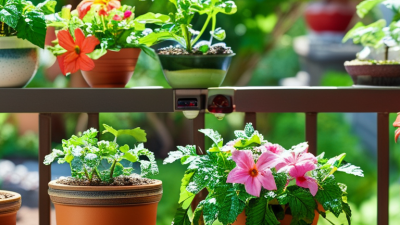
Drip lines suit containers and raised beds because they deliver moisture near each root. Micro-sprinklers work better for closely planted areas with shallow roots. For narrow balconies, a small reservoir and adjustable emitters can prevent flooded saucers. A timer helps, but it cannot fix poor placement. In my own test, one emitter watered a pot’s edge while the center stayed dry. I had trusted the timer too much. The Food and Agriculture Organization notes that agriculture uses about 70% of global freshwater withdrawals, so careful household irrigation still matters. Small spaces count.
Tips: Check moisture two inches below the surface before watering. Use pressure regulation for consistent flow. Group plants with similar needs. Inspect emitters weekly for clogging. Water early, not during bright afternoon heat. A cheap soil meter may help, but your finger often notices dry soil faster.