10 Best Landscape Irrigation Systems for Global Buyers

Choosing the right landscape irrigation system is not simply a matter of comparing prices. Climate, soil texture, water pressure, plant density, local maintenance skills, and seasonal rainfall all influence performance. A drip system may protect a Mediterranean garden from evaporation, while rotating sprinklers may better serve broad lawns. Smart controllers can adjust watering after rainfall, but they still need accurate sensors and careful programming.

Irrigation specialist and water-management consultant Charles M. Swanson explains, “Efficient irrigation begins with putting the right amount of water in the right place at the right time.” This principle guides our review of ten systems for global buyers. The comparison considers water efficiency, installation complexity, durability, automation, replacement parts, and long-term operating costs. Practical details matter. A clogged filter can weaken a drip line. Low pressure can distort spray patterns. Poorly placed emitters can leave tree roots dry.

The best option is rarely the most expensive one. It must fit the site.

This guide also recognizes an uncomfortable truth: no irrigation technology removes the need for human judgment. Even advanced systems can overwater when settings are wrong. Buyers should verify regional standards, supplier support, and available components before purchasing. We also examine less obvious factors, including winterization, voltage compatibility, filtration needs, and repair access. These details may seem minor. They often determine whether a landscape irrigation investment remains reliable after the first season.
10 Best Landscape Irrigation Systems for Global Buyers

Landscape Irrigation Systems: Definition, Purpose, and Main Components

Landscape Irrigation Systems: Definition, Purpose, and Main Components

A landscape irrigation system delivers water to plants through controlled pipes, valves, emitters, or sprinklers. Its purpose is simple: maintain healthy vegetation while reducing runoff, evaporation, and uneven watering.

The U.S. Environmental Protection Agency’s WaterSense program reports that outdoor irrigation can represent more than 30% of household water use in the United States, consuming nearly 9 billion gallons daily.

Water is the design constraint. A practical system begins at the water source, followed by a backflow preventer, filter, pump, mainline, and zone valves. Laterals carry water to drip emitters, micro-sprays, or rotating sprinklers. A controller sets timing, while rain, soil-moisture, or weather sensors adjust operation.

These components must match soil type, slope, plant density, pressure, and local climate.

The Food and Agriculture Organization’s AQUASTAT database shows agriculture accounts for roughly 70% of global freshwater withdrawals, reinforcing the value of precise water delivery, even outside farms.

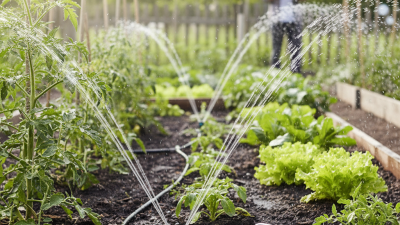
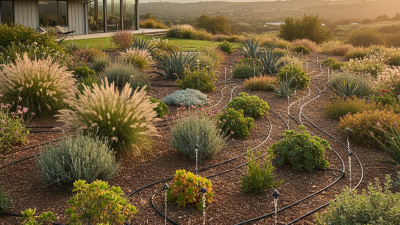
Drip irrigation suits planting beds and trees because it applies water near the roots. Sprinkler systems work better across lawns and broad groundcover. Subsurface lines can reduce surface evaporation, but maintenance becomes less visible.

Small leaks matter. Field inspections often find clogged filters, excessive pressure, or poorly aligned nozzles. A programmed schedule may look efficient on paper, yet still overwater shaded soil.

The uncomfortable truth is that no system is automatically sustainable; design assumptions need seasonal testing, repair records, and occasional revision.

How to Evaluate the 10 Best Irrigation Systems for Different Landscapes

Evaluating the 10 best landscape irrigation systems starts with the landscape, not the product label. A narrow flower bed may need drip lines, while a broad lawn often needs rotating or fixed spray heads. Steep ground requires low-precipitation zones to reduce runoff. Sandy soil drains quickly, but clay soil holds water and may need shorter cycles. These details affect performance more than advertised coverage.

Field testing should examine pressure stability, filtration, clog resistance, and seasonal adjustment. Emitters should deliver similar flow at the beginning and end of each line. A practical test uses catch cups across a lawn zone. Uneven water levels reveal poor distribution. Smart controllers can respond to weather data, but they still need accurate local settings. Soil-moisture sensors save water in some gardens, although sensor placement can distort results.

Maintenance also separates a reliable system from an attractive specification sheet. Check filters, valves, nozzles, and buried connections before summer demand increases. Rainwater storage may support suitable systems, but tank size and local conditions limit its value. Subsurface irrigation reduces surface evaporation, yet repairs can be difficult. I have found that simple layouts are often easier to maintain than highly automated ones. That is not always ideal. Initial price can also hide installation labor, replacement parts, and winter protection. Compare water efficiency, coverage, control quality, repair access, and long-term operating cost across all ten systems.

10 Best Landscape Irrigation Systems for Global Buyers - How to Evaluate the 10 Best Irrigation Systems for Different Landscapes
Rank Irrigation System Type Best Landscape Applications Typical Water Delivery Estimated Application Efficiency Performance on Slopes Wind Sensitivity Typical Maintenance Control and Installation Requirements Main Limitations
1 Pressure-Regulated Dripline Planting beds, hedges, rows of shrubs, vegetable gardens, and narrow landscaped areas Approximately 0.4–2.0 gallons per hour per emitter, commonly spaced 30–60 cm apart 90–95% Excellent when installed along contour lines and equipped with pressure regulation Very low Inspect filters and flush lines several times per year; check for blocked or damaged tubing Requires filtration, pressure regulation, compatible fittings, and zoning by plant water demand Can clog in poor-quality water; tubing may be damaged by rodents, tools, or excavation
2 Subsurface Drip Irrigation Lawns, sports turf, public green spaces, and sites where visible irrigation tubing is undesirable Buried dripline, generally installed about 10–20 cm below the soil surface for turf applications 90–95% Very good when depth and spacing are designed for the soil and slope Very low Requires regular flushing, filtration, leak monitoring, and root-intrusion management Needs careful design, pressure control, air-release valves, and accurate installation depth More difficult and expensive to repair; poor soil preparation can cause uneven wetting
3 Point-Source Drip Irrigation Individual trees, large shrubs, containers, raised beds, and mixed planting schemes Usually 0.5–4.0 gallons per hour per emitter, with one or more emitters per plant 85–95% Excellent because water is applied slowly at selected points Very low Check emitters for clogging, inspect exposed tubing, and adjust emitters as plants grow Requires filtration and pressure regulation; emitter quantity should match plant size and soil type May create small wetting zones if emitters are not repositioned as roots expand
4 Low-Volume Micro-Sprays Ground covers, flower beds, densely planted borders, nurseries, and areas requiring broader coverage than drip Low-flow spray patterns, commonly about 5–50 gallons per hour per device 70–90% Good on gentle slopes when short cycles and pressure regulation are used Moderate; fine droplets can drift in strong wind Clean spray openings, inspect risers, and remove overgrown vegetation from the spray pattern Requires correct spacing, pressure control, filtration, and separate zones for different plant groups More evaporation and wind loss than drip; exposed components can be damaged by maintenance work
5 Rotating Low-Precipitation Sprinklers Medium-sized lawns, irregular turf areas, and landscapes where lower precipitation rates are preferred Slow rotating streams, often delivering approximately 0.4–0.8 inches of water per hour 65–85% Good to very good, with matched precipitation and cycle-and-soak scheduling Low to moderate Inspect nozzles, clean filters, verify rotation, and check head alignment Needs adequate operating pressure, head-to-head coverage, and matched precipitation across a zone Requires longer run times; unsuitable pressure or spacing can produce dry spots
6 Gear-Drive Rotor Sprinklers Large lawns, parks, recreational fields, and broad open landscapes Rotating streams, commonly about 0.3–1.0 inches of water per hour depending on nozzle and pressure 60–80% Good when properly spaced and operated in short cycles on sloped ground Moderate; larger droplets generally resist wind better than fine spray Check rotation, seals, filters, arc settings, and head elevation at least seasonally Requires adequate flow, pressure, head-to-head spacing, and separate hydrozones where needed Not efficient for small, narrow, or highly irregular planting beds; overspray can affect paths and buildings
7 Fixed Spray Sprinklers Small lawns, narrow verges, compact planting areas, and sites with simple geometric boundaries Fixed fan-shaped spray, frequently about 1.0–2.0 inches of water per hour 55–75% Fair; use shorter cycles to reduce runoff on slopes High to moderate, especially with fine spray in windy conditions Clean nozzles, check for clogged filters, correct tilted heads, and monitor overspray Requires accurate spacing, pressure regulation, and careful alignment with landscape boundaries High precipitation rate may cause runoff; less suitable for large areas or windy climates
8 Bubblers Deep-rooted trees, large shrubs, tree pits, and isolated landscape plants Typically about 0.25–2.0 gallons per minute per bubbler, depending on the model and pressure 60–85% Good for level basins; poor grading can cause concentrated runoff Very low Inspect flow, clear outlets, maintain basins, and prevent soil erosion around the plant base Needs pressure regulation and, for sloped sites, a properly designed basin or multiple low-flow outlets Can pond or erode soil if flow is excessive; generally unsuitable for dense ground cover or turf
9 Hand-Move Sprinkler Systems Temporary landscapes, seasonal planting, small farms, community gardens, and low-budget installations Portable spray or impact sprinklers with flow determined by nozzle, pressure, and hose size 45–70% Fair to poor unless moved carefully and operated in short cycles Moderate to high Requires frequent relocation, hose inspection, connector checks, and manual scheduling Needs accessible water connections and a documented movement schedule to avoid missed areas Labor-intensive, inconsistent coverage, and limited automation; performance depends heavily on the operator
10 Smart Weather-Responsive Irrigation Control Large residential landscapes, commercial sites, public parks, and properties with multiple irrigation zones Uses drip or sprinkler hardware while adjusting run times from weather, soil moisture, or evapotranspiration data Can reduce scheduled water use by approximately 10–30% when correctly configured Depends on the connected irrigation hardware; cycle-and-soak settings improve sloped-site performance Depends on the sprinkler or emitter type used Check sensors, communication, seasonal settings, rain shutoff, and system records Requires compatible valves, reliable power or battery supply, accurate site data, and correct zone programming Cannot compensate for poor hydraulics, clogged emitters, incorrect coverage, or unsuitable plant zoning

Note: Efficiency figures are typical planning ranges, not guarantees. Actual results depend on climate, wind, soil, pressure, system layout, maintenance, plant selection, and irrigation scheduling. Local water regulations and certified design standards should be checked before installation.

Drip, Sprinkler, Surface, and Subsurface Irrigation Compared

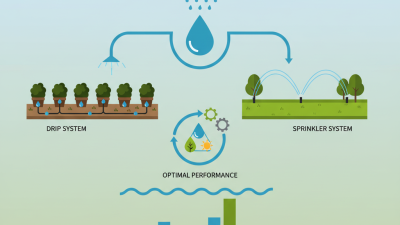
For global buyers, the ten strongest landscape irrigation choices fall into four practical groups: drip, sprinkler, surface, and subsurface systems. Pressure-compensating drip lines deliver water slowly to individual plants. Inline drip tubing works well along hedges and narrow planting beds. Micro-sprinklers cover shrubs with gentle, adjustable patterns. They reduce leaf damage and runoff.

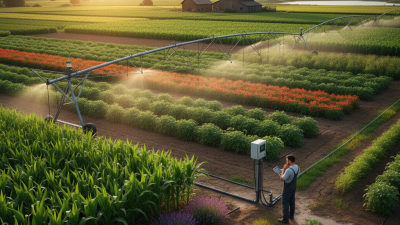
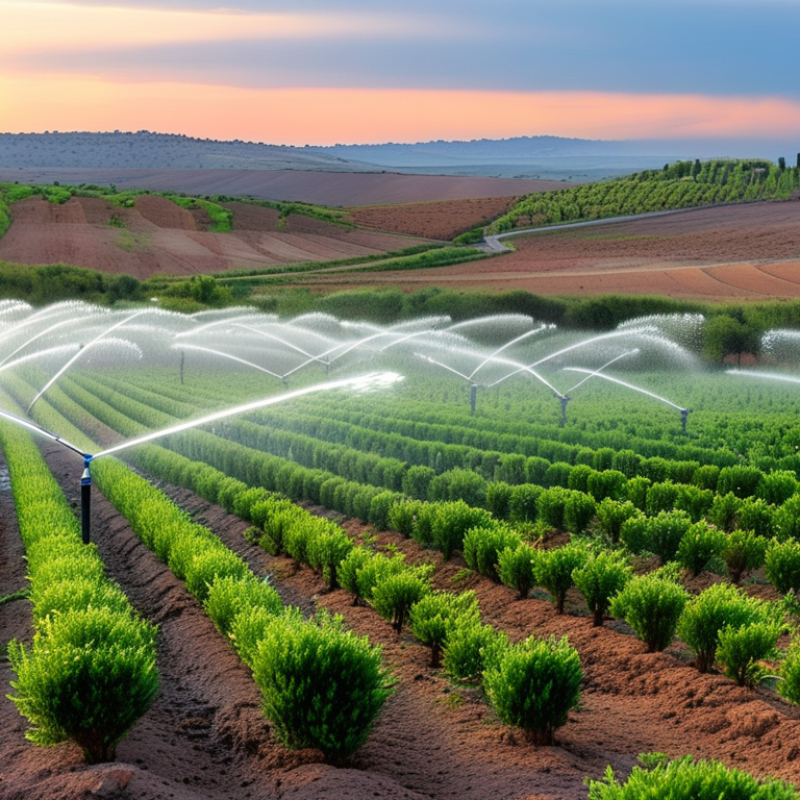
Sprinkler systems suit lawns and large planting areas. Fixed sprays provide even coverage in small zones. Rotating sprinklers reach wider spaces with less frequent movement. Impact sprinklers handle open gardens and irregular layouts. However, wind can distort their patterns. I once specified sprinklers for an exposed coastal site, and evaporation was higher than expected. The design needed shorter cycles and better zoning.

Surface irrigation uses shallow channels, basins, or porous hoses. It has low equipment costs, but uneven slopes can leave dry patches. Subsurface drip places emitters below the soil. This protects water from wind and reduces surface evaporation. It also demands careful filtration and root intrusion control. For international projects, buyers should check water pressure, soil texture, climate, and replacement-part access. A sandy bed may require closer emitters. Heavy clay may need slower application. No system is perfect. A field test with catch cans and soil probes can reveal mistakes before installation expands.

Smart Controls, Water Efficiency, and Climate Adaptation

10 Best Landscape Irrigation Systems for Global Buyers

Smart controls matter, but climate adaptation matters more. The ten strongest options include drip lines, micro-sprays, rotors, impact sprinklers, gear-drive sprinklers, subsurface drip, hose-end systems, rainwater-linked systems, soil-sensor systems, and weather-based controllers. Each suits different soil, plant density, and water pressure.

Drip irrigation delivers water slowly beside roots, reducing evaporation in hot regions. Micro-sprays work well for flower beds, but wind can scatter their coverage. Rotors suit large lawns, while subsurface drip protects water from sun and foot traffic.

Soil sensors can pause watering after rain. Weather-based controls adjust schedules when temperature, humidity, and seasonal rainfall change. However, smart controls are not automatically efficient. Poor sensor placement can create dry patches or unnecessary watering.

Tips: Check local water rules, pressure, soil texture, and winter conditions before buying. Test one zone with a rain gauge or small containers. Look for equal water depth, not just wet-looking grass. Inspect filters, valves, and emitters every month. No system is perfect. A design that saves water in a dry coastal climate may fail during monsoon rainfall. Buyers should also question impressive efficiency claims and request measurable flow rates, repair guidance, and compatible replacement parts. Small adjustments often matter more than expensive automation.

Installation, Maintenance, Costs, and Global Purchasing Considerations

Choosing among ten landscape irrigation systems starts with site evidence, not a glossy specification sheet. Map sunlight, slope, soil texture, water pressure, and plant zones before requesting quotations. Measure twice. Drip lines suit planting beds, while rotors cover broad lawns more evenly. Micro-sprayers can support young trees, but wind may distort their coverage. Subsurface systems reduce surface evaporation, although clogged emitters become difficult to inspect. A pressure test at the farthest outlet often exposes design weaknesses.

Installation quality determines whether an efficient system stays efficient. Use filters, pressure regulators, isolation valves, and accessible flush points. Bury pipes below the local frost depth where freezing occurs. Keep controllers in weather-protected enclosures with clear labeling. During commissioning, collect water from several outlets and compare flow rates. One uneven patch is a warning, not a minor defect. Maintenance should include monthly filter checks, seasonal nozzle inspection, leak detection, and controller adjustments. Schedules must follow rainfall, plant growth, and local restrictions. Access matters. They rarely remain accurate for a full year.

Global purchasing requires more than comparing equipment prices. Calculate pipework, excavation, labor, freight, spare parts, taxes, and commissioning support. Costs vary widely. A low-cost valve may become expensive when replacement seals are unavailable locally. Confirm voltage, thread standards, connection sizes, documentation, and service coverage before payment. Ask for test data, warranty terms, and corrosion guidance for your water quality. In remote projects, standard components can matter more than advanced automation. I still leave extra capacity in larger systems, though this increases initial cost. That choice is not always correct.