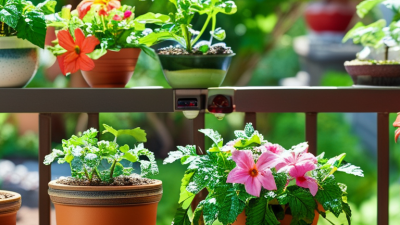
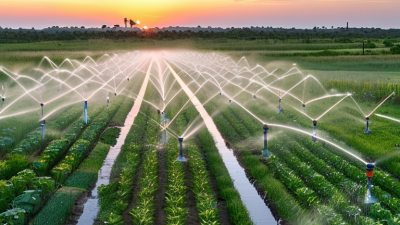
Choosing among the top 10 drip irrigation systems is not just a matter of comparing prices or advertised flow rates. Global buyers must match equipment to crop type, field size, water quality, climate, and local maintenance capacity. A system that performs well on a small vegetable plot may struggle across a large orchard. The details matter: emitter spacing, filter size, pipe durability, and the availability of replacement parts can shape daily performance.
Irrigation researcher David Molden’s work is often associated with the principle “more crop per drop.” It captures a useful goal, though results depend on careful design and operation. Drip irrigation can deliver water close to plant roots and reduce losses from evaporation or runoff. But clogged emitters, uneven pressure, or poor filtration can undermine those benefits. No system is perfect. Buyers should ask how it performs with their actual water source, not only in a brochure.
This guide compares ten options for different needs, from compact kits to larger, expandable layouts. It considers installation, filtration, pressure requirements, durability, and support for international buyers. The right choice may be less familiar than the bestselling model. That is worth reflecting on. A system’s real value shows in the field, season after season, where workers can maintain it and crops receive consistent water.
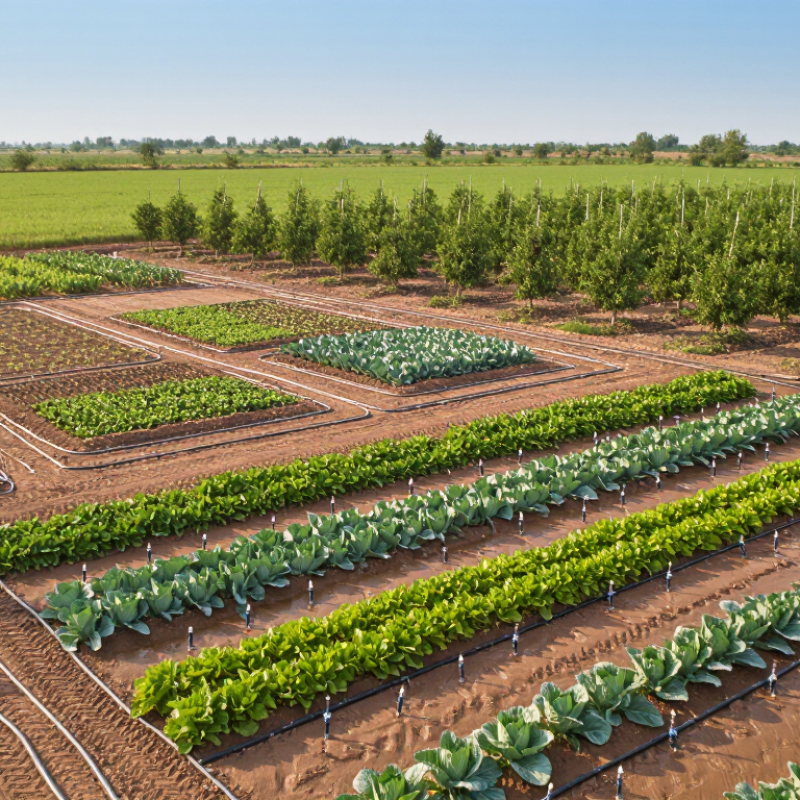
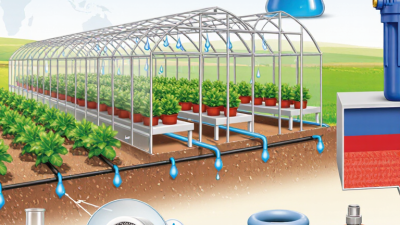
A drip irrigation system delivers water through a controlled path: a pump or supply line feeds a filter, pressure regulator, and network of narrow tubes. Small emitters release water near each plant’s roots, often in slow, measured drops. The wetting pattern is local, not a blanket across the soil. Water then moves outward and downward, shaped by soil texture and the emitter’s flow rate. Fertilizer can sometimes be injected into the water, but only with suitable equipment and careful dosing.
The design matters. FAO AQUASTAT estimates that agriculture accounts for about 70% of global freshwater withdrawals, making efficient application important. USDA Natural Resources Conservation Service guidance puts well-designed microirrigation systems near 90% or higher application efficiency under suitable conditions. That is a potential, not a guarantee. Clogged emitters happen. Dust, mineral deposits, uneven pressure, or a damaged tube can leave one plant dry while its neighbor gets a puddle. A practical setup includes filtration, occasional line flushing, and checks at the far ends of the rows. Soil should be inspected too; a timer alone cannot tell whether roots are receiving enough water.
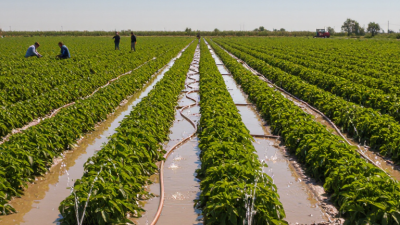
Surface dripline places emitters along a tube laid on or near the soil. It works well for vegetable beds, orchards, and straight planting rows. You can inspect leaks easily. But exposed tubing may shift during field work or degrade in strong sunlight.
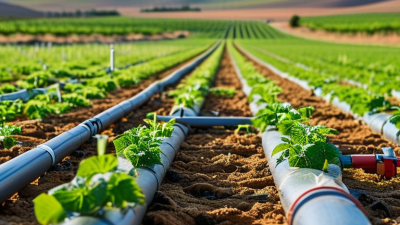
Inline drip tape has built-in outlets at regular intervals. Its thin walls make it practical for seasonal crops and long, uniform rows. Spacing matters: widely spaced emitters may leave sandy soil unevenly wet. Point-source systems use separate emitters connected to a main line, giving growers more control around individual trees or widely spaced plants. Small details count. Check the emitter flow rate and filtration needs against the water source.
Subsurface dripline is buried below the soil surface, reducing evaporation and keeping lines out of the way. Installation and repairs can be harder, though, and roots or mineral deposits may obstruct outlets. Pressure-compensating emitters help maintain more even flow across sloped or long runs, but they do not fix poor layout. A useful design starts with crop spacing, soil texture, slope, and available pressure—not the equipment list alone. Even careful systems need occasional flushing and field checks; a wet patch can reveal a problem before the leaves do.
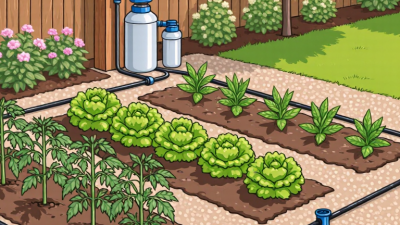
Global buyers should compare drip irrigation systems by crop, water source, field size, and maintenance capacity. A useful top-ten shortlist includes gravity-fed bucket kits, compact garden kits, inline dripline, button-emitter tubing, pressure-compensating lines, adjustable microtubing, subsurface drip, greenhouse bench systems, orchard layouts, and solar-pump kits. Each suits different conditions. A low-cost gravity setup may work for raised beds, but it cannot serve every long row evenly.
Check operating pressure and emitter spacing before ordering. Ask for flow-rate data, compatible filter sizes, and tubing dimensions in writing. Fine sand, algae, or mineral deposits can clog small outlets; a filter matched to the water source helps, but still needs cleaning. Pressure-compensating emitters can improve consistency on sloped ground, though they may cost more and still require adequate pressure. Test a short section first.
Also check spare-part availability, connector standards, and instructions in a language your team can use. In hot, sunny regions, UV-resistant tubing may last longer; buried lines need careful installation and leak checks. No chart captures every field. That is the uncomfortable part. A system that looks efficient on paper may perform poorly with irregular water supply or neglected filters, so compare specifications with a local site assessment.
When comparing drip irrigation systems, start with water quality and operating pressure, not the number of included parts. A simple pressure gauge can reveal whether your supply fluctuates during the day. Emitters need consistent pressure to deliver predictable flow; otherwise, plants at the far end of a long line may receive less water. Check the system’s recommended pressure range and emitter flow rate before buying. A filter matters, too. Fine particles from a tank or well can clog narrow passages, so compare filter type, mesh rating, and cleaning access. Tiny details matter.
Look closely at tubing diameter, emitter spacing, and connector compatibility. A 30-centimeter spacing may suit a closely planted bed, while widely spaced shrubs may need different placement. Consider whether the kit can be extended without reducing flow too much. Clear instructions and readily available replacement fittings can save time when a connector cracks or a line needs rerouting. Test the layout on a short row before covering tubing with mulch. Even careful comparisons can miss site-specific pressure changes; measuring at the farthest emitter is a useful reality check. A specification sheet can look convincing, but unclear flow-rate units deserve a closer look.
A practical comparison of commonly available emitter ratings for global buyers. Flow is measured per emitter in liters per hour (L/h); actual output depends on operating pressure and product specifications.
These are representative nominal flow ratings, not a ranking or market-wide average. Check the supplier’s flow-pressure specifications and filtration requirements before selecting a system.
Top 10 Drip Irrigation Systems for Global Buyers

A suitable drip system starts with the field, not the catalogue. Sandy soil drains quickly, so closely spaced emitters may help keep moisture near young roots. Clay holds water longer; slower application can reduce pooling. On sloping land, pressure-compensating emitters can help distribute water more evenly. Small details matter. Water quality matters too: suspended particles and mineral deposits can clog emitters, making filtration and regular flushing essential.
Tips: Check the water source before choosing tubing or filters. Measure flow and pressure at the field, not only at the pump. For a small trial, dig beside several emitters after irrigation. Is the wetting pattern reaching the root zone? Adjust spacing and run time before expanding. Not always easy.
Climate changes the trade-offs. Hot, windy sites may benefit from frequent, shorter irrigation, while humid areas may need less frequent watering. These are starting points, not fixed rules; crop stage, soil, and rainfall can change the schedule. FAO’s 2017 report, Water for Sustainable Food and Agriculture, estimates that agriculture accounts for about 70% of global freshwater withdrawals. That figure makes careful irrigation important, but drip alone does not guarantee savings. Poor scheduling can still waste water or push salts toward roots. Recheck the system through the season, especially after heat waves or repairs. The fit is rarely perfect on the first pass.