Choosing among China’s best commercial drip irrigation manufacturers requires more than comparing factory prices. A reliable supplier must understand water quality, crop spacing, pressure control, filtration, and long-term field maintenance. A low quotation can become expensive when emitters clog, connectors loosen, or replacement parts arrive slowly. That risk matters on large vegetable farms, orchards, greenhouses, and landscaped commercial properties.
Dr. Charles M. Burt, a respected irrigation engineer, defines irrigation as “the controlled application of water for agricultural purposes through man-made systems.” His statement remains practical today. Effective commercial drip irrigation should place water near the root zone, reduce unnecessary evaporation, and deliver consistent flow across long rows. Look for manufacturers with documented flow-rate testing, pressure-compensating emitters, UV-resistant materials, and clear quality-control records. Factory audits, sample testing, and references from comparable projects can reveal more than a polished website.
The details are physical. Check the filter housing. Examine the tape wall. Ask how many seasons the tubing is expected to serve. Confirm whether the manufacturer supports design drawings, installation guidance, and after-sales troubleshooting. Certifications help, but they do not replace field evidence. No supplier is perfect. Even a strong system can fail under poor filtration, incorrect pressure, or careless installation. That limitation deserves honest attention.
This guide compares Chinese manufacturers through product quality, customization, production capability, export experience, technical support, and total operating cost. The strongest option may not be the cheapest. It should be the supplier that keeps water moving evenly when the field is dry, busy, and unforgiving.
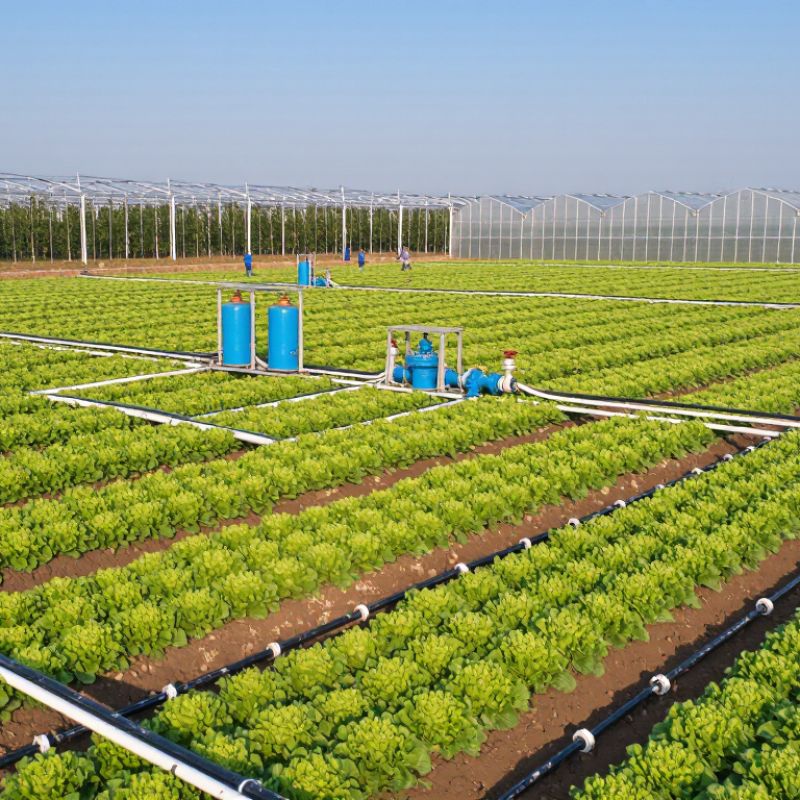
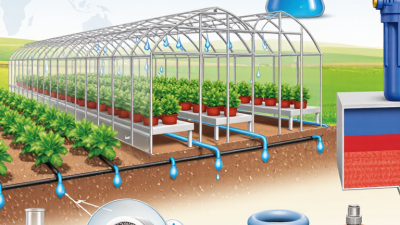
Commercial drip irrigation delivers water slowly and directly to plant roots through emitters, pipes, and filtration units.
It supports farms, nurseries, greenhouses, and landscape projects. Compared with flood irrigation, it can reduce evaporation and keep soil moisture more stable. In practice, uniform pressure matters as much as water volume. Poor filtration may clog emitters within weeks.
Chinese manufacturers are often considered because they offer broad production capacity, flexible specifications, and competitive project pricing.
Many can adjust pipe thickness, emitter spacing, flow rates, connectors, and filtration systems for different crops. Their dense industrial supply chains can also shorten sourcing time.
However, price alone proves little. I have seen attractive quotations hide weak testing records or unclear material grades. Reliable suppliers should provide product samples, pressure-test data, factory details, and traceable quality inspections. Independent verification remains wise.
Tips:
Match emitter flow with soil type and crop demand. Ask for a pilot installation before ordering at scale. Check filtration requirements carefully. Request drawings, packing details, and spare-part availability. Visit the factory when practical, or arrange a documented remote audit. Field feedback is valuable, but it is never perfect. Conditions change between regions.
Choosing among China’s best commercial drip irrigation manufacturers requires more than comparing prices. Evaluate their experience with large farms, greenhouses, orchards, and uneven field conditions. Ask for project records, production capacity, and references from clients with similar water quality and crop needs. Real field experience matters.
Technical expertise should appear in the details. A reliable manufacturer should explain emitter spacing, flow rates, filtration, pressure regulation, and fertilizer compatibility. Request test data for clogging resistance and pressure uniformity. Inspect sample tubing, connectors, filters, and injection equipment before placing a large order. Small components often reveal manufacturing discipline.
Quality systems deserve careful attention. Check whether materials are traceable, inspections are documented, and products follow recognized irrigation standards. Clear warranties and responsive technical support also indicate accountability. Communication should be precise, especially when discussing specifications, packaging, spare parts, and delivery schedules. Ask how defects are handled.
Do not trust polished catalogs alone. Some suppliers may present impressive figures without showing independent test results. That is a warning sign. A factory visit, video inspection, or third-party audit can expose gaps between promises and actual production. I would also request a pilot installation, because field performance can differ from laboratory results. No evaluation method is perfect, but practical evidence reduces expensive mistakes.
Leading Chinese Manufacturers of Commercial Drip Irrigation Systems
Chinese manufacturers of commercial drip irrigation systems serve farms, greenhouses, nurseries, and landscape projects worldwide. Experienced factories usually provide emitters, drip tape, filters, valves, connectors, and injection equipment. Their strongest advantage is production flexibility. They can adjust flow rates, pipe dimensions, spacing, and packaging for different crops and field layouts.
Reliable manufacturers should show more than attractive catalogs. Ask for material specifications, pressure-compensation data, filtration requirements, and test reports. A serious supplier can explain how polyethylene quality affects durability under sunlight and pressure. Factory audits also matter. Check assembly lines, raw material storage, laboratory equipment, and final inspection records. Details matter.
Field experience often reveals problems that samples cannot. A system may perform well in clean water but clog quickly in sandy conditions. Poorly sealed connectors can leak after repeated pressure changes. No factory gets every order right. That is normal, but corrective action should be documented and measurable. Request pilot testing before large production. Compare uniformity, discharge rates, pressure loss, and installation time. Manufacturers with technical engineers can help refine designs, although their first recommendation may not fit every field. Fresh water sources, uneven terrain, and seasonal maintenance can change the result. A dependable partnership needs clear communication, traceable batches, and practical after-sales support.
Commercial drip irrigation systems commonly use pressure-compensating or non-pressure-compensating emitters with nominal flow rates selected according to crop type, soil conditions, row spacing, and irrigation frequency.
The chart presents common nominal emitter flow-rate options used in commercial dripline and online-emitter systems. These are technical product specifications rather than company sales or brand-performance data.
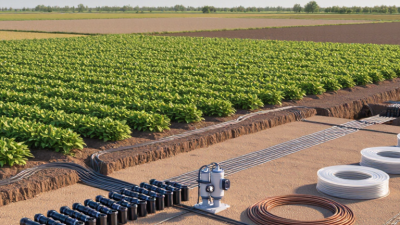
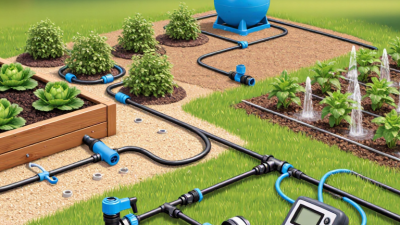
Commercial drip irrigation suppliers in China offer several product categories for different field conditions. Common options include drip tape, pressure-compensating dripline, button emitters, filters, valves, and fertigation equipment. Product choice should follow crop spacing, water quality, terrain, and operating pressure. A vineyard may need durable inline emitters, while short-season vegetables may suit thin-wall drip tape.
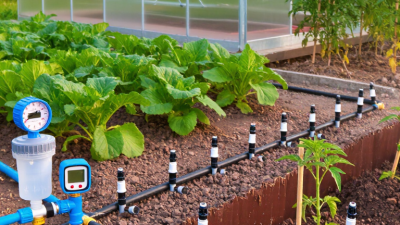
Technology differences deserve close inspection. Pressure-compensating emitters can improve uniformity across long rows and uneven ground. Anti-clog designs often use wider flow paths or self-flushing structures. Some manufacturers also provide extrusion control, laser testing, and automated leak inspection. Ask for flow-rate data at several pressures, not one attractive number.
Field experience shows that clean water still requires proper filtration. Poor filtration can defeat advanced emitter designs.
Customization can include emitter spacing, flow rate, wall thickness, roll length, color, fittings, and carton dimensions. Materials may be adjusted for sunlight, recycling goals, or seasonal use. Custom molds are useful, but they can increase lead time and minimum order quantities.
Be careful here. A cheap customized sample may not represent mass production. Request production samples, pressure tests, aging results, and traceable inspection records.
Independent testing adds confidence. Still, test conditions may not match your farm. Pilot a small block before ordering thousands of rolls. That step feels slower, but it can reveal pressure loss, clogging, or installation problems early.
Selecting the best commercial drip irrigation manufacturer requires more than comparing prices. Start by checking production experience, engineering capability, and quality control procedures. A reliable manufacturer should explain material grades, pressure ratings, filtration needs, and expected service life clearly. Ask for test reports covering flow uniformity, connector strength, and resistance to sunlight. Vague answers are warning signs.
Request samples before approving a large order. Install them in conditions similar to your project, including local water quality and operating pressure. Measure emitter discharge at the beginning and end of each line. Small differences can become serious crop losses across a large field. Speak with recent customers, not only references chosen by the factory. Their feedback may reveal delayed shipments, inconsistent batches, or weak technical support. I have found that cheap tubing often looks acceptable at first. It may fail during the second season.
Tips: Visit the facility when possible. Check raw material storage and testing equipment. Confirm production capacity during peak months. Review packaging, spare parts, warranty terms, and response times. Choose a manufacturer that provides clear drawings and installation guidance. Do not accept impressive certificates without verifying their scope and issuing organization. A capable partner should also adjust designs for terrain, crop spacing, climate, and labor conditions. Even experienced buyers can overlook maintenance training. That mistake is expensive.