
What Is Drip Tube Irrigation and How Does It Work?
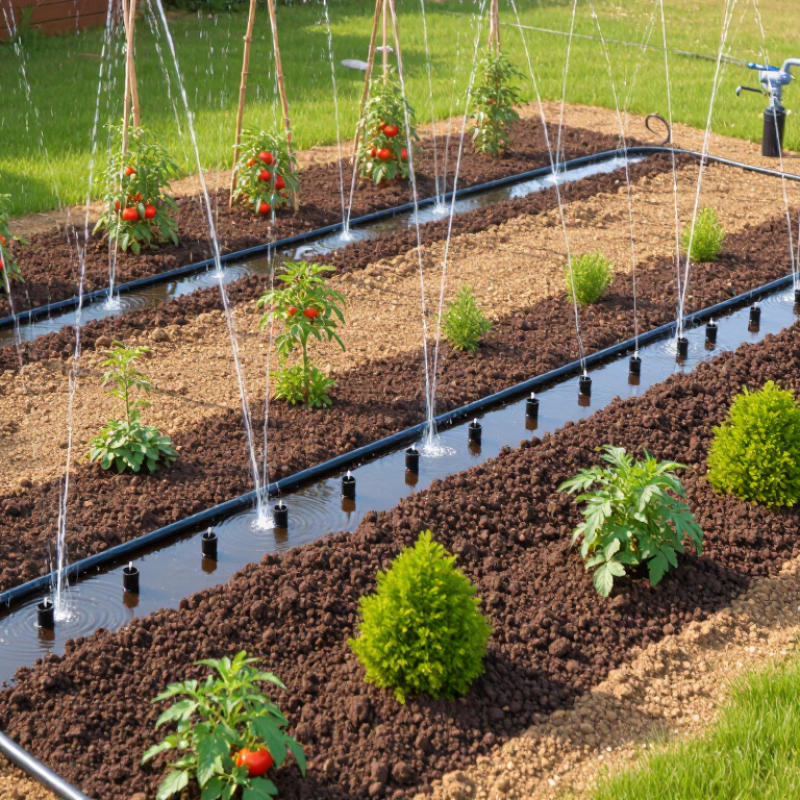
Drip tube irrigation delivers water through a narrow tube fitted with small outlets, placing moisture close to plant roots. Rather than soaking an entire bed, the system releases water gradually along a row or around selected plants. You may see a dark, damp line beneath tomatoes, fruit trees, or garden shrubs while the surrounding soil stays comparatively dry. That is the basic idea.
A typical setup connects tubing to a water source, often through a filter and pressure regulator. Water travels through the tube and exits through emitters, whose spacing and flow rate affect how evenly the soil receives moisture. The system can reduce evaporation and keep foliage drier than overhead watering, but results depend on soil, slope, pressure, and installation. Small details matter. A low-pressure line on sandy ground may need different emitter spacing or run times than one in heavy clay. There is no single schedule that suits every garden.
Drip tube irrigation can make watering more targeted, especially for long beds and regularly spaced plants. It still needs attention. Filters require cleaning, fittings can leak, and emitters may clog with sediment or mineral deposits. Check the soil after watering rather than assuming every plant received enough. This guide explains how the system works, what its main parts do, and what to consider when choosing and maintaining a setup. Some recommendations may need adjustment after you observe how your own soil holds water.
What Drip Tube Irrigation Is
Drip tube irrigation is a low-pressure watering method that delivers small amounts of water directly to plant roots. A flexible tube runs along a crop row or around individual plants. Small outlets, called emitters, release water at controlled intervals. Instead of wetting the entire soil surface, the system creates narrow, moist zones near the roots. It works quietly.
In a well-adjusted system, water leaves the tube slowly and evenly. This reduces runoff, surface evaporation, and unnecessary leaf wetting. A vegetable bed may use one tube beside each row, while young trees may need a ring around their root zones. The tube connects to a filter, pressure regulator, and water source. These parts help maintain steady flow. Installation experience shows that gentle curves usually perform better than sharp bends.
Drip tubes are not maintenance-free. Fine sediment can block emitters, especially when filtration is weak. Pressure may also change between the first and last row, creating uneven watering. Not perfectly. Gardeners should check the soil by hand, not trust the tube alone. If the surface looks dry, the root zone may still be moist; if leaves wilt, the system may be under-delivering or poorly positioned. Tube spacing, emitter flow, soil texture, and plant maturity all affect performance. Planning from a single example can be misleading.
| What Is Drip Tube Irrigation and How Does It Work? — What Drip Tube Irrigation Is | |||
|---|---|---|---|
| Aspect | What It Is | How It Works | Practical Considerations |
| Drip irrigation tube | A flexible polyethylene line that carries irrigation water along a planting row. | Water moves through the tube and exits gradually through built-in emitters or attached outlets. | Tube diameter, wall thickness, and emitter spacing should suit the system layout and application. |
| Emitter | A small outlet, often built into the tube, that releases water at a controlled rate. | Each emitter applies water near the soil surface, commonly creating a moist zone around the outlet. | Emitter flow is commonly specified in gallons per hour (GPH) or liters per hour (L/h); check the product rating and operating pressure. |
| Water source and valve | The supply connection and valve that control whether water enters the irrigation system. | Opening the valve allows water to flow from the source into the system; closing it stops irrigation. | Use a suitable backflow-prevention device where required by local plumbing codes. |
| Filter | A screen or disc device that removes particles from irrigation water. | The filter helps prevent debris from clogging small emitter passages. | Choose filtration to match the emitter requirements and water quality, and clean it regularly. |
| Pressure regulator | A device that reduces incoming water pressure to a range appropriate for the tubing and emitters. | It helps maintain more consistent flow and reduces the risk of leaks or tube damage from excessive pressure. | Required pressure varies by product; follow the tube or emitter specifications. |
| Water delivery | Localized irrigation that applies water close to plant roots rather than over the entire area. | Water exits the emitters slowly and infiltrates the soil; the wetted area depends on soil texture, flow, and run time. | Check soil moisture near the root zone and adjust run time for weather, crop needs, and soil conditions. |
| System layout | A network of mainline tubing, connectors, drip tube, and end closures arranged to reach plants. | Connectors route water to the tube runs, while end closures allow the lines to be sealed and flushed. | Longer runs and uneven terrain can affect pressure and flow; design within the system’s rated limits. |
| Maintenance | Routine inspection and cleaning to keep the irrigation system operating as intended. | Flushing lines and cleaning filters help remove accumulated particles that could restrict water flow. | Inspect for leaks, blocked emitters, and damaged tubing, especially at the start of the irrigation season. |
Related Posts
-
Why Choose Drip Line Irrigation for Global Buyers?
-
How to Choose Drip Tube Irrigation Suppliers Worldwide?
-
Who Are the Top Garden Drip Irrigation Suppliers in China?
-
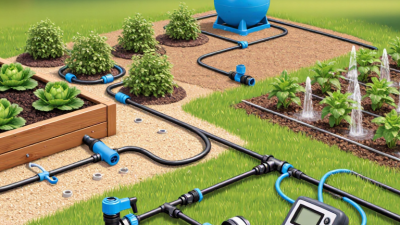
What Are the 2026 Top Garden Drip Irrigation Systems?
-
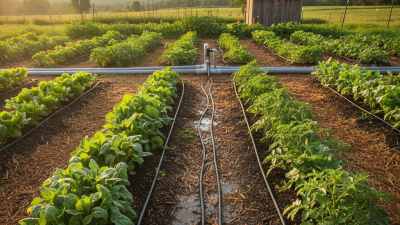
10 Essential Tips for Perfecting Drip Tube Irrigation Techniques?
-
Top Best Drip Irrigation Systems for Efficient Watering Solutions?