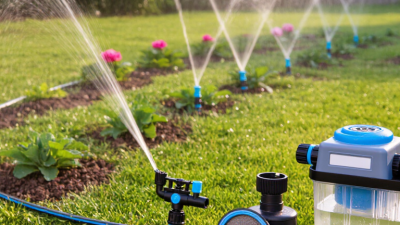
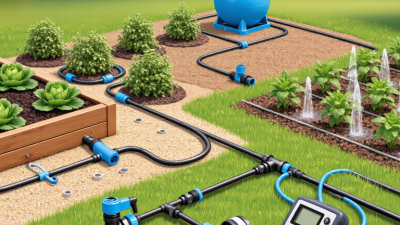
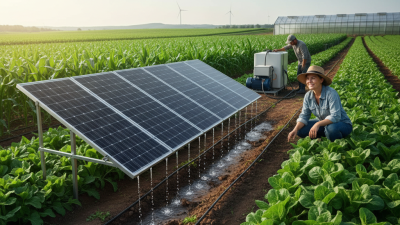
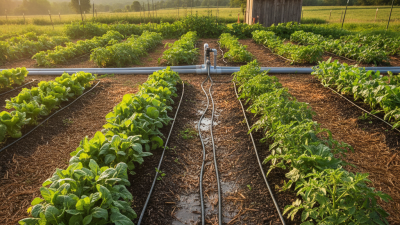
Garden drip irrigation delivers water slowly through a network of tubing and small outlets called emitters. Rather than spraying the whole bed, it places moisture near plant roots, where water is most useful. A basic system often includes a faucet connection, pressure regulator, filter, main tubing, and smaller lines. When the valve opens, water travels through the lines and drips from each emitter at a controlled rate. Small drops, steady flow.
This approach can reduce water lost to wind, runoff, and wet foliage, especially in beds with vegetables, shrubs, or rows of plants. It does not guarantee lower water use in every garden. Poor placement, leaks, or an overly long schedule can waste water just as easily. Emitters can also clog when sediment builds up, so a filter and occasional inspection matter. A dry patch beside a healthy plant may reveal a blocked outlet or uneven pressure.
Understanding how garden drip irrigation works makes it easier to choose suitable tubing, position emitters, and set a schedule around soil and weather. Sandy soil may need shorter, more frequent watering, while heavier soil can hold moisture longer. These are useful starting points, not fixed rules. Check the soil near the root zone after watering; the surface alone can be misleading. This guide explains the system’s parts, how water moves through them, and what to consider before installing one. A little adjustment is normal.
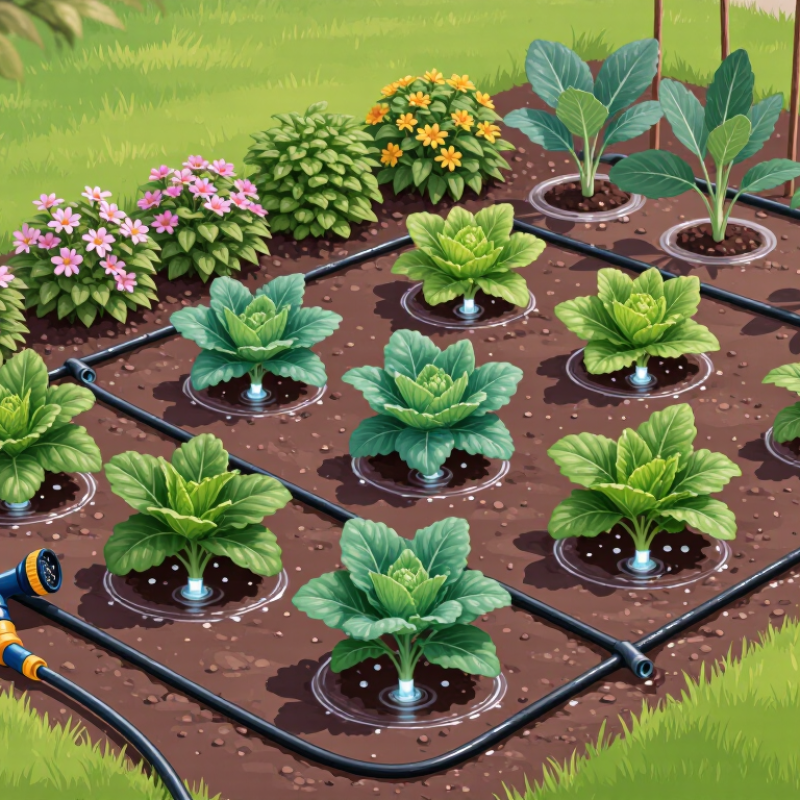
Garden drip irrigation is a low-pressure watering system that delivers water through narrow tubing and small outlets called emitters. The tubing runs along the soil, near plants, rather than spraying water across the whole garden. Each emitter releases water slowly, allowing it to soak into the root zone. A typical setup may include a faucet connection, filter, pressure regulator, main tube, and smaller drip lines. It works well for vegetable beds, shrubs, and containers with different watering needs.
The system can reduce water lost to wind and evaporation, but it does not water every plant perfectly by itself. Emitters may clog, and water may spread unevenly in compacted or sloped soil. Check the soil a few inches below the surface; damp soil near the outlet does not always mean the whole root zone is moist. A simple layout is often easier to inspect and adjust than a complicated one. Small details matter.
Tips: Flush the lines before use, then check each emitter while water is running. Keep outlets clear of mulch and soil. Adjust run time after checking moisture, not just by the clock. A little trial and error is normal.
A garden drip system carries water through narrow tubing and releases it near plant roots. Its parts work together to control flow and reduce overspray. At the water source, a backflow preventer can help stop irrigation water from flowing back into household plumbing. A filter catches grit that could clog small openings, while a pressure regulator lowers water pressure to a suitable level.
The mainline carries water across the garden; smaller tubing branches off toward individual plants or rows. Emitters release measured amounts of water, often drop by drop. Connectors, tees, and end caps join or close the tubing. A timer is optional, but useful when schedules get busy. The layout needs attention: a long line with too many emitters may deliver uneven water. I would check the flow at the far end rather than assume every plant receives the same amount. Small clogs are easy to miss.
Tips: Run the system briefly and inspect each emitter. Look for leaks, dry soil, or puddles. Flush the line occasionally, especially after installation or repairs. A simple layout is often easier to maintain.
Garden drip irrigation carries water from a faucet, tank, or pump through a main line and smaller tubing. A filter catches grit that could clog narrow outlets. A pressure regulator helps keep flow steady, though household systems vary. Water then reaches emitters placed near individual plants.
The emitters release slow drops onto the soil. From there, water spreads sideways and downward through tiny spaces between soil particles. Gravity pulls it lower, while capillary action draws it into nearby dry soil. Fine soil often holds a wider, shallower wet area; sandy soil usually drains faster and may need closer emitters. Roots take up moisture from this damp zone, not directly from the tubing. Placement matters. An emitter pressed against a stem can keep the crown too wet, while one too far away may miss young roots. Check beneath the surface with a finger or small trowel; the soil can look dry on top and still feel moist below.
Tips: Run the system briefly, then inspect several spots along the line. Look for leaks, blocked emitters, and uneven wetting. Adjust run time as weather and plant growth change. A simple schedule is only a starting point; soil and sunlight can make it imperfect.
Map the garden before buying tubing. Group plants with similar water needs, then run a main line along the beds. Connect it to a tap through a filter and pressure regulator; use a backflow device when required by local guidance. Add drip lines or emitters near each plant’s root zone. Match emitter spacing and flow to the crop and soil, since sandy ground drains faster than clay. Secure tubing with stakes, but leave room to adjust it. Flush the lines before attaching end caps, then run the system and check every connection. Small leaks matter.
Operate the system early in the day, when less water is lost to evaporation. Set a timer if useful, but treat it as a starting point, not a rule. Check soil a few inches below the surface; dry soil there may mean the run is too short. Wet, muddy soil can signal overwatering. Weather, plant size, and soil all change the schedule. Look for clogged emitters and uneven flow each week. A neat layout can still miss a root zone, so move emitters as plants grow. Flush the tubing occasionally, and drain it before freezing weather. Don’t assume the first setup is right. Recheck it.
What Is Garden Drip Irrigation and How Does It Work?
Factors That Affect Drip Irrigation Performance
Drip irrigation delivers water through narrow tubing and small emitters near plant roots. Its performance depends on steady pressure, clean water, and suitable emitter spacing. If pressure is too low, plants at the far end may receive less water. Excess pressure can cause leaks or uneven flow. A simple check helps: place identical cups beneath several emitters and run the system for 15 minutes. Noticeable differences suggest a pressure or blockage problem. Small differences matter.
Water quality and maintenance matter just as much. Fine particles can clog emitters, so a filter suited to the water source is important. Flush the lines periodically, especially after repairs or long periods without use. Clogged emitters are sneaky. Soil also changes the watering pattern: sandy ground drains quickly, while clay holds water longer. On sloped beds, water may move unevenly unless the layout and pressure are adjusted. Spacing needs attention, too. A young tomato may need water close to its roots, while a larger plant needs a wider wetted area. Weather, mulch, and plant growth can all change what works. A schedule that seemed right in spring may leave soil dry during a hot, windy week. Check moisture beneath the surface rather than trusting the timer alone.
| Factor | How It Affects Performance | Practical Check or Adjustment |
|---|---|---|
| Water pressure | Emitters are designed to operate within a suitable pressure range. Pressure that is too high can cause leaks or uneven delivery; pressure that is too low can reduce flow, especially near the end of a line. | Check the system’s pressure requirements and use a compatible pressure regulator. Measure pressure at the supply and, if needed, at the far end of the line. |
| Filter condition | Sand, sediment, and other particles can clog small emitter openings and reduce or stop water flow. | Install a filter appropriate for the water source and clean it regularly. Inspect emitters if flow decreases despite adequate pressure. |
| Emitter type and flow rate | Emitters deliver water at different rates. Mixing flow rates or using emitters unsuited to the layout can lead to inconsistent watering. | Use compatible emitters and follow their rated flow specifications. Keep a consistent emitter type within a watering zone where practical. |
| Pipe length and layout | Long runs, many emitters, and narrow tubing can contribute to pressure loss and uneven water distribution. | Follow tubing and emitter limits for the system. Divide large areas into separate zones or use appropriately sized tubing. |
| Elevation changes | Water pressure can vary along sloped ground, affecting the amount delivered by non-pressure-compensating emitters. | Consider pressure-compensating emitters on uneven terrain, and check flow at both higher and lower points. |
| Water quality | Minerals, algae, or organic matter can build up in tubing and emitters. Hard water may leave mineral deposits over time. | Inspect the system periodically, flush lines when needed, and select filtration suited to the water source. |
| Soil texture and drainage | Water spreads differently in sandy, loamy, and clay soils. Sandy soil generally drains faster, while clay soil often absorbs water more slowly. | Observe the wetted area around emitters and adjust emitter spacing or run time to suit the soil and plant roots. |
| Emitter placement | Water applied too far from roots may be less useful to plants. Closely spaced emitters can create excessive moisture in some soils. | Position emitters according to plant size, root location, and soil type. Recheck placement as plants grow. |
| Operating time and schedule | Long or frequent watering can cause waterlogging or runoff; insufficient watering can leave the root zone dry. | Adjust run time to plant needs, weather, and soil moisture. Check below the surface rather than relying only on surface appearance. |
| Leaks, damage, and blockages | Cracked tubing, loose fittings, or blocked emitters can waste water and create dry spots elsewhere in the system. | Run the system periodically and inspect the full line for leaks, disconnected fittings, and emitters with little or no flow. |