What Is Landscape Irrigation?
Landscape irrigation is the planned delivery of water to lawns, trees, and planting beds. It can use drip lines, sprinklers, or a combination of both. The aim is not simply to make every surface wet. It is to supply roots with water while limiting runoff, overspray, and waste. A practical summary of irrigation researcher Dr. Michael Dukes’s work is this: “Deliver water where roots can use it, when they need it.” That principle guides thoughtful landscape and irrigation planning, though local soil, climate, and plant choices still matter.
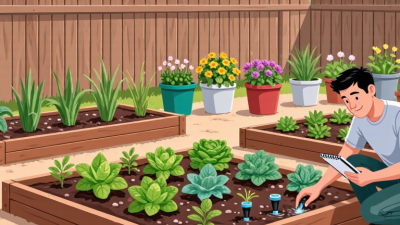
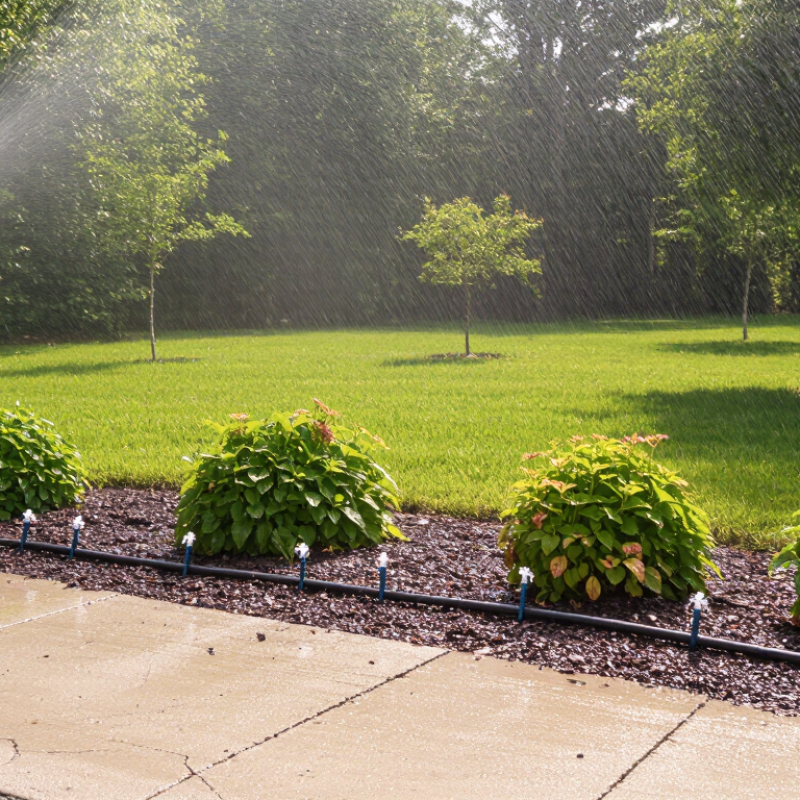
Picture a sunny side yard with thirsty shrubs, compacted soil, and a narrow strip of lawn. One sprinkler may soak the sidewalk while leaving the shrubs dry. A carefully placed drip line can target the beds, while a properly adjusted sprinkler covers the turf. Small details count. No system is perfect. Wind shifts spray, clogged emitters go unnoticed, and yesterday’s schedule may not suit today’s weather. That is worth admitting. Good design needs observation and occasional adjustment, not just installation. This introduction explores how landscape irrigation works, what its main methods offer, and how water-efficient choices support healthy outdoor spaces. It also considers common planning mistakes, from mismatched plant needs to poorly aimed spray. The best system is practical, measurable, and responsive to the place it serves.
Landscape Irrigation: Definition, Purpose, and EPA’s ~30% Outdoor-Use Share
Landscape irrigation is the planned delivery of water to lawns, trees, shrubs, and garden beds. It may use sprinklers, drip lines, or hand watering. Its purpose is to support plant growth when rainfall falls short, without soaking soil or sending water across paved surfaces. Small details matter. A tilted sprinkler can water a sidewalk more than a flower bed.
The U.S. Environmental Protection Agency estimates that outdoor water use accounts for about 30% of average household water use. Landscape irrigation makes up much of that share. This is an average, not a fixed figure for every home. In hot, dry areas, outdoor use can be much higher; in rainy climates, it may be lower. Soil, weather, plant choice, and equipment condition all affect demand.
Effective irrigation responds to the site instead of following a rigid calendar. Watering early can limit evaporation, while drip lines deliver water near plant roots. Still, even careful schedules are imperfect. Clogged emitters, broken sprinkler heads, or compacted soil can waste water unnoticed. A timer helps, but it cannot tell whether the ground is already wet. Checking the soil after rain can reveal when a schedule needs adjusting.
Core System Components: Water Source, Controller, Pipes, Valves, and Emitters
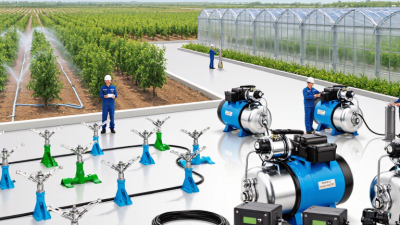
Landscape irrigation moves water from a source to plant roots through coordinated components. The source may be municipal water, a well, or stored rainwater; its pressure and quality affect every part downstream. A backflow-prevention device may also be required to protect drinking water. The U.S. Environmental Protection Agency’s WaterSense program estimates that outdoor use accounts for nearly 9 billion gallons of water daily in the United States, much of it for landscape irrigation. That scale makes sound system design practical, not cosmetic.
The controller sets the schedule, while soil moisture and weather sensors can help adjust it. EPA WaterSense reports that weather-based irrigation controllers can save an average home nearly 7,600 gallons annually. Pipes carry water through the yard; valves open selected zones, and emitters deliver water close to roots. Drip emitters suit planting beds, while spray heads cover turf. Small details matter: a cracked fitting can leave a wet patch beside a dry shrub. I have seen schedules look sensible on paper but still overwater shaded beds. That deserves a second look. Check flow, pressure, and plant needs together, rather than assuming one setting fits every zone. EPA WaterSense, “Outdoor Water Use” and “Weather-Based Irrigation Controllers.”
Irrigation Methods: Sprinklers and Drip; EPA: Up to 50% of Outdoor Water Wasted
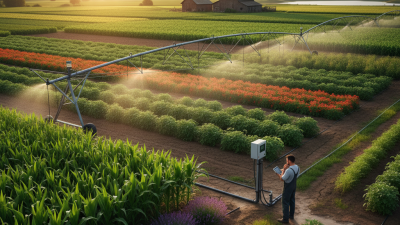
Landscape irrigation is the planned delivery of water to lawns, trees, and garden beds. The method matters. Sprinklers spread water over a broad area, making them useful for lawns and groundcover. But wind can carry fine droplets onto sidewalks, while hot afternoon sun speeds evaporation. A puddle near the curb is a clear sign that water may be running off instead of soaking in.
Drip irrigation sends water through small tubes and emitters near plant roots. It can reduce wetting between plants, though clogged emitters or poorly placed tubing can leave dry patches. Check the soil a few inches below the surface; a dry-looking top layer does not always mean roots need water. Small details matter.
The U.S. Environmental Protection Agency estimates that up to 50 percent of outdoor water may be wasted through evaporation, wind, or runoff from inefficient irrigation. That adds up. A simple adjustment can help: water early, shorten cycles on sloped ground, and inspect sprinklers for overspray. Still, no schedule fits every yard. Soil, shade, plant type, and weather all change how quickly water disappears. I sometimes find the “obvious” fix is not obvious at all. A shallow-rooted lawn and a shaded shrub bed may need very different routines.
Watering Schedules: Soil and Evapotranspiration Data; EPA: Controllers Save ~15%
What Is Landscape Irrigation?
Landscape irrigation is the planned delivery of water to lawns, trees, and garden beds. A useful schedule responds to both soil and weather, not just the day of the week. Sandy soil drains quickly, while clay can stay wet near the surface. Check moisture several inches down before adding more water. A dry-looking top layer can be misleading. Small changes matter. Water early in the morning when possible, and use shorter cycles on slopes to limit runoff.
Evapotranspiration estimates how much water leaves through plant use and evaporation. Local weather data can help adjust watering after hot, windy days or a stretch of rain. EPA materials cite average savings of about 15% from efficient irrigation controllers, though actual results depend on climate, system condition, and settings. A controller cannot fix a leaking valve or a misdirected sprinkler. Walk the yard occasionally; look for soggy patches, dry edges, and water spraying onto pavement. I still find schedules need correction after unusual weather. Data helps, but it does not replace observation.
What Is Landscape Irrigation?
Watering schedules can use soil moisture and evapotranspiration (ET)—the combined effect of evaporation and plant water use—to better match irrigation to landscape needs.
Illustrative normalized index: conventional irrigation is set to 100; 85 represents approximately 15% less irrigation water. The EPA reports about 15% water savings for WaterSense-labeled irrigation controllers; actual results vary by site and schedule.
Efficiency and Compliance: Prevent Runoff and Follow Local Watering Rules
What Is Landscape Irrigation?
Efficiency and Compliance: Prevent Runoff and Follow Local Watering Rules
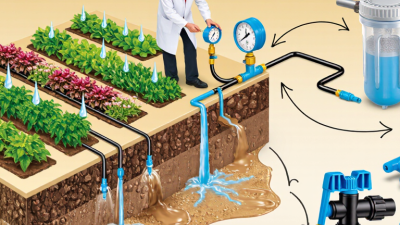
Landscape irrigation supplies water to lawns, trees, and planting beds. Efficient watering means applying it where roots can use it, without sending water down the driveway. Watch a complete watering cycle. If puddles form or water reaches the sidewalk, pause the system and check the cause. A tilted sprinkler head, compacted soil, or excessive flow may be responsible.
Small adjustments help. Water in shorter cycles, with pauses that let moisture soak into the soil, especially on slopes or clay-heavy ground. Check sprinklers for leaks and blocked or misdirected nozzles. Early morning can reduce evaporation, but local rules may set specific days or hours. Requirements vary by location and can change with weather conditions, so confirm current guidance with your local water provider or municipality.
Keep a simple record of watering times, rainfall, and any system repairs. It can reveal patterns and help explain unexpected runoff. A schedule that seemed sensible on paper may still leave one bed dry while another stays soggy. Check the soil near plant roots before adding more water; a dry-looking surface does not always mean the roots need irrigation. Reliable watering takes observation, not just a timer.
What Is Landscape Irrigation? Efficiency and Compliance: Prevent Runoff and Follow Local Watering Rules
Note: Efficiency figures are approximate planning ranges, not guarantees; results vary with design, pressure, maintenance, soil, wind, and installation. Local watering rules differ by location and can change. Check current guidance from your local water provider or authority. Water deeply enough to meet plant needs, but stop or adjust cycles if water flows onto streets, sidewalks, or neighboring property.