Top 10 Types of Garden Irrigation Systems?
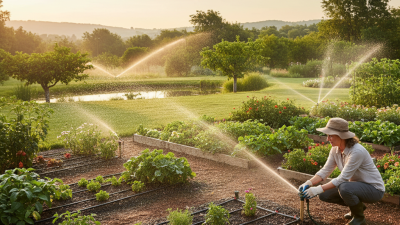
A garden can look evenly watered while dry soil hides beneath the leaves. That is why choosing garden irrigation by appearance alone can disappoint. The right system depends on bed size, plant type, soil, slope, and local weather. A row of tomatoes may need steady moisture near its roots; a patch of drought-tolerant herbs may need much less. Small details matter.
University of Florida irrigation researcher Dr. Michael D. Dukes studies irrigation management and water use. A practical paraphrase of his research is: “Match irrigation to plant needs, soil conditions, and weather.” This guide uses that principle to compare ten common systems, from hand watering and soaker hoses to drip lines, sprinklers, and smart controllers. Each option has trade-offs. Drip systems can deliver water close to roots, but clogged emitters need attention. Sprinklers cover broad areas, though wind can carry water away. No system is perfect.
The best choice is not always the most expensive or automated. A small raised bed may thrive with a simple hose, while a larger garden could benefit from zones and a timer. Check the soil with a finger, observe how water moves, and adjust after hot or rainy days. It takes a little patience. Even a well-planned setup can miss a corner or overwater a shady bed. The ten types below offer a starting point, not a universal prescription, for building a garden irrigation plan that fits real conditions.
How Garden Irrigation Systems Deliver Water
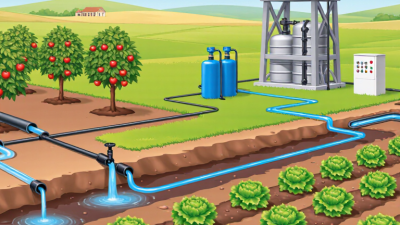
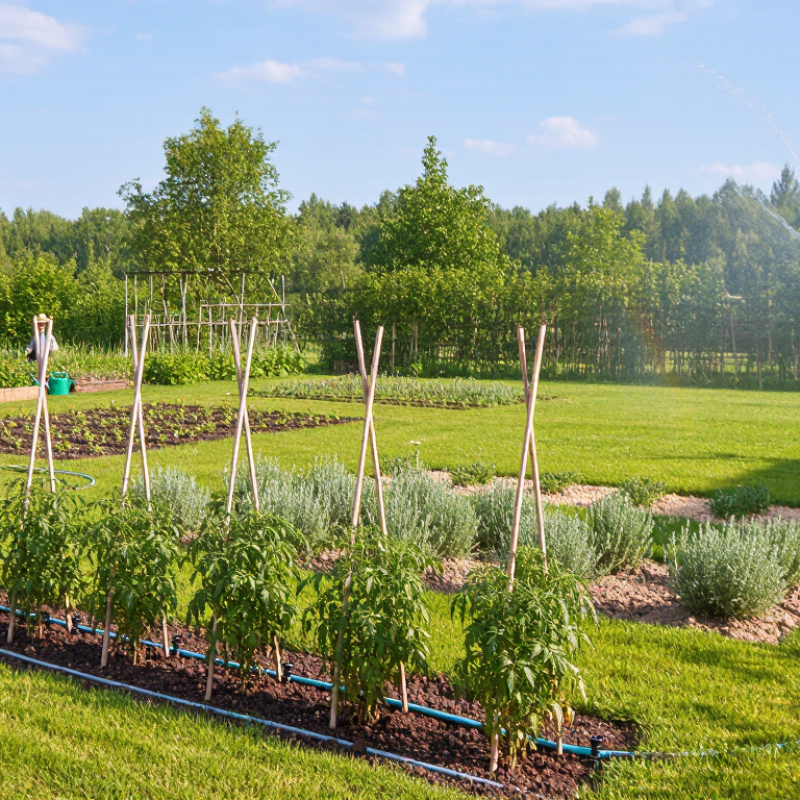
Garden irrigation systems move water from a tap, tank, or pump through pipes, then release it near roots or across the soil surface. Drip lines use small emitters to deliver slow drops beside plants. Soaker hoses seep along their length, while sprinklers spread water through moving or fixed spray heads. Subsurface lines release water beneath the soil. Pressure matters. Too little can leave distant beds dry; too much may cause runoff before water reaches deeper roots.
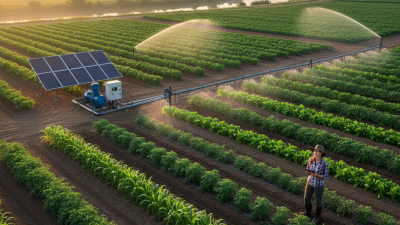
The U.S. Environmental Protection Agency’s WaterSense program estimates that outdoor use accounts for about 30 percent of average household water use, and at least half may be lost through evaporation, wind, or runoff. The Food and Agriculture Organization reports that agriculture accounts for roughly 70 percent of global freshwater withdrawals, underscoring why delivery efficiency matters beyond the backyard. These figures describe broad patterns, not every garden. Soil, slope, wind, and plant spacing change how water travels. A sandy bed may drain quickly, while compacted soil can puddle under a strong spray. I’d check moisture a few inches below the surface, not just the dark top layer. A tidy irrigation plan can still miss a thirsty corner.
Factors to Consider When Choosing an Irrigation System
Choosing a garden irrigation system starts with the site, not the equipment. Map sunny beds, slopes, plant types, and the nearest water connection. The US Environmental Protection Agency’s WaterSense program estimates that landscape irrigation uses nearly one-third of residential water in the United States, about 9 billion gallons daily. That figure makes efficiency worth checking, but actual needs vary by climate and garden size.
Check soil and water pressure before choosing drip lines, soaker hoses, sprinklers, or hand watering. Clay absorbs water slowly; sandy soil drains quickly. USDA Natural Resources Conservation Service guidance emphasizes matching irrigation to soil and plant needs. Measure pressure with a gauge, and observe where water pools or misses. A timer can help, but a fixed schedule may overwater after rain. Small plot? Measure first. Maintenance matters, too: clogged emitters can leave a bed dry while the rest looks fine.
Tip: Run the system for ten minutes and inspect the soil several inches down. Adjust flow and timing, then check again a week later. Your first estimate may be wrong; keep notes on dry patches, runoff, and plant response.
Ten Common Types of Garden Irrigation Systems
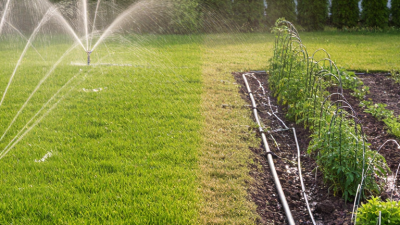
Garden irrigation ranges from a watering can to buried tubing. Hand watering suits pots and small beds, and lets gardeners check leaves closely. It takes time. A hose-end sprinkler is simple to move, though wind can scatter water onto paths. Oscillating sprinklers sweep rectangular areas, making them useful for straight vegetable beds. Stationary sprinklers cover a fixed circle or pattern; they work best when their reach matches the bed. Rotary sprinklers send rotating streams across broader areas, but nearby obstacles can leave dry patches.
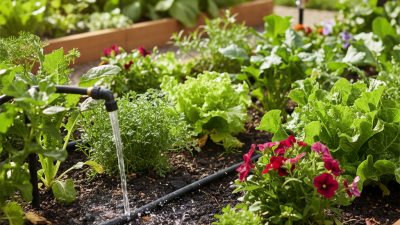
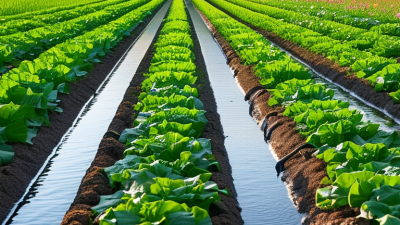
Drip irrigation uses small emitters to deliver water near plant roots. It can reduce wet foliage, but clogged outlets need attention. Soaker hoses seep along their length and fit rows or borders; uneven pressure may leave the far end drier. Micro-sprayers wet a small area around seedlings or shrubs, though evaporation can be higher in hot, breezy weather. Subsurface drip lines sit below the soil surface, keeping tubing out of sight while requiring careful placement and maintenance. Furrow irrigation channels water between planted rows and is straightforward on suitable ground, but can waste water if the soil slope is uneven. No setup is perfect. Check moisture beneath the surface before changing a schedule, since dry-looking soil can mislead.
Comparing Coverage, Water Efficiency, and Cost
Garden irrigation systems vary in coverage, water efficiency, and upfront cost. Soaker hoses and drip lines deliver water near plant roots, making them useful for vegetable beds and rows. Subsurface drip keeps tubing out of sight, but clogs can be harder to spot. Micro-sprayers cover small clusters of plants; they cost more than basic hoses but waste less water than broad sprays in calm weather.
For larger lawns, fixed spray heads and pop-up rotors cover regular shapes, while gear-driven and impact rotors reach farther across open ground. Oscillating sprinklers suit rectangular beds, and traveling sprinklers can cover long strips with little setup. Their moving parts and water use may raise maintenance costs. Coverage is not the whole story. Wind can carry spray onto paths, while low pressure can leave dry patches beneath rotating heads.
Costs include more than the equipment: consider filters, timers, repairs, and seasonal adjustments. A drip setup may use less water, yet require careful installation and occasional flushing. Basic sprinklers are often cheaper to buy, but can run longer than expected. A real trade-off. Measure the garden and check pressure before choosing. Catch cups placed around the bed can reveal uneven watering; even then, soil and plant growth change over time. No system is perfect.
Top 10 Garden Irrigation Systems
Comparing typical application efficiency and relative installation cost
How to read this: Efficiency values are representative estimates; actual performance depends on system design, pressure, soil, wind, and maintenance. Coverage descriptions are general: drip, soaker hoses, and bubblers target specific areas, while sprinklers cover broader zones. The cost index is a relative guide (1 = lower, 5 = higher), not a price quote; local labor, garden size, and equipment can change costs substantially.
Installation and Maintenance Principles
Top 10 Types of Garden Irrigation Systems?
Garden irrigation includes drip lines, soaker hoses, spray heads, rotors, micro-sprayers, subsurface drip, bubblers, hand-held hoses, gravity-fed rainwater systems, and weather-controlled timers. Choose a system for the plants, soil, slope, and water supply—not just convenience. Group plants with similar water needs into zones. Before installing, check the available pressure and flow; low pressure can leave distant beds dry. Fit a filter where small outlets may clog, and keep connections accessible for repairs. A shallow trench can protect tubing, but buried lines are harder to inspect.
Run the system while watching each zone. Look for leaks, blocked emitters, overspray on paths, and puddles that signal slow drainage. Small details matter. Water early in the day when practical, and adjust run times after checking soil several inches below the surface. A damp-looking top layer can hide dry roots. Clean filters and flush lines periodically, especially after dusty work or repairs. Before freezing weather, drain exposed pipes and shut off vulnerable supply lines. Timers help, but they are not foolproof: rain, wind, and changing plant growth can make a fixed schedule waste water. Recheck the layout as the garden matures; I would not assume last season’s settings still fit.