What Is the Difference Between Sprinkler and Irrigation?

Understanding the difference between sprinkler and irrigation begins with a simple question: how is water delivered, and why? Many homeowners use these terms interchangeably. That habit creates confusion when planning a garden, lawn, or agricultural field. Irrigation is the broader practice. It includes supplying water to plants through pipes, drip lines, sprinklers, channels, or other controlled methods. A sprinkler is one delivery tool within that larger system.

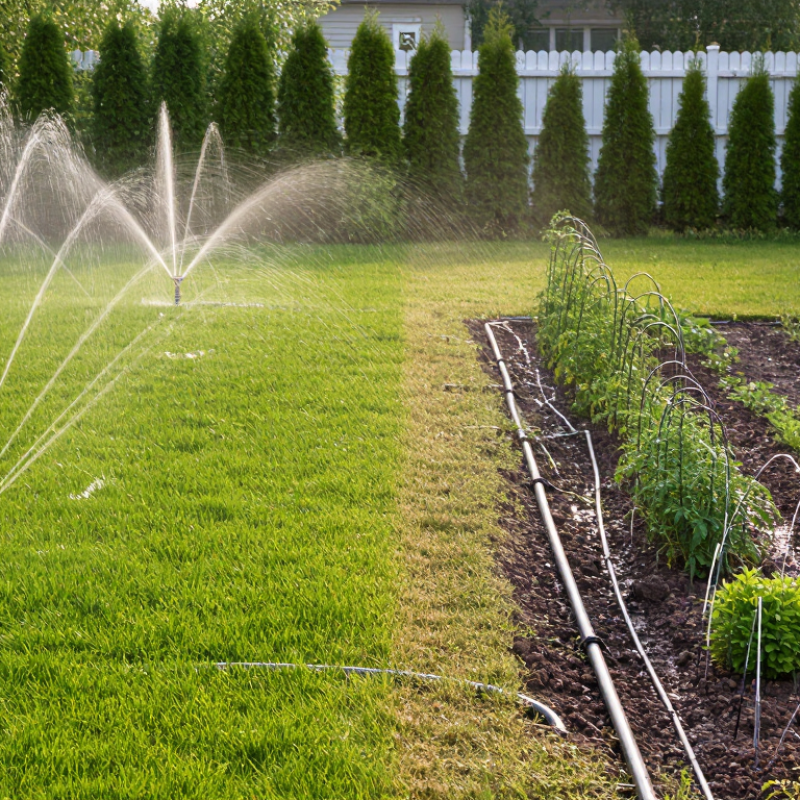
Irrigation engineer and researcher Charles M. Burt defines irrigation this way: “Irrigation is the controlled application of water through man-made systems to supply water requirements not satisfied by rainfall.” His definition remains useful because it focuses on control, purpose, and plant needs. A sprinkler sprays water through the air, much like measured rainfall. It can cover large lawns quickly, but wind may move droplets onto sidewalks. Drip irrigation places water near the roots, reducing surface evaporation. It often suits vegetable beds, shrubs, and narrow planting areas.

The difference is practical, not merely technical. A sprinkler describes the outlet or method. Irrigation describes the complete water-management process. That process may include timers, valves, filters, pressure regulation, soil checks, and seasonal adjustments. A system can look efficient and still waste water. I have seen dry corners beside oversaturated grass. That detail matters.

This guide examines sprinkler and irrigation systems through performance, maintenance, cost, and water efficiency. It also considers soil type, plant spacing, climate, and installation quality. No single method works everywhere. Sometimes the best design is less obvious.
What Is the Difference Between Sprinkler and Irrigation?

Definition and Basic Purpose of Sprinklers and Irrigation

What Is the Difference Between Sprinkler and Irrigation?

A sprinkler is a device or application method that sprays water through the air. It imitates rainfall over lawns, fields, and garden beds. Irrigation is the broader process of delivering water to plants and soil. It may include sprinklers, drip lines, surface channels, pumps, filters, controllers, and storage tanks. In simple terms, a sprinkler is one tool; irrigation is the complete watering approach.

The purpose of sprinklers is coverage. Rotating or fixed heads can wet a wide area, but wind may carry droplets onto paths or fences. Irrigation planning focuses on timing, pressure, soil type, plant demand, and water efficiency. The Food and Agriculture Organization reports that agriculture accounts for about 70% of global freshwater withdrawals. That figure makes system design more than a maintenance detail. It becomes a resource decision.

Household landscapes also use substantial water. The U.S. Environmental Protection Agency reports that landscape irrigation represents nearly one-third of residential water use in the United States, or almost 9 billion gallons daily. A practical check is simple: place small containers around a sprinkler zone and compare collected depths. Uneven results often reveal blocked nozzles, excessive pressure, or poor spacing. I have seen schedules remain unchanged after seasonal temperatures rose. That is not ideal. A technically sound system still needs observation, adjustment, and occasional doubt.

How Sprinkler Systems Distribute Water

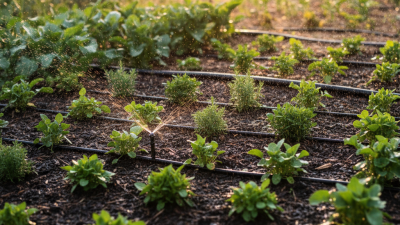
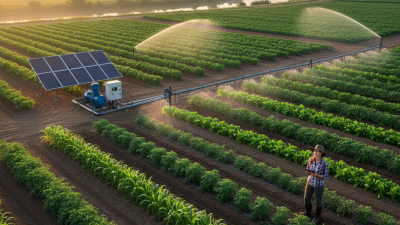
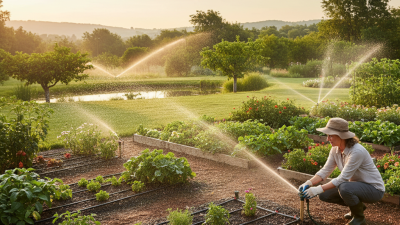
Sprinkler systems are one method of irrigation, not a separate replacement for it. Irrigation means supplying water to plants, soil, or crops through a planned system. Sprinklers distribute water through pressurized pipes and spray heads. The water falls like controlled rain across a defined area.

Each sprinkler head covers a specific pattern, such as a circle, half-circle, or narrow strip. Nozzles control the spray size and flow rate. Spacing matters greatly. Heads should usually overlap their coverage, because wind and uneven pressure can leave dry patches. I have seen healthy grass beside completely dry edges when this detail was ignored. It looked efficient, but it was not.

Water pressure moves through the pipes before reaching each head. When pressure drops, spray distance and uniformity can decline. Soil type also changes the result. Clay may absorb water slowly, while sandy soil drains quickly. Short watering cycles can reduce runoff on slopes. Still, this approach is not perfect. Wind can carry fine droplets away, and some water evaporates before reaching the ground. A practical inspection includes checking blocked nozzles, tilted heads, puddles, and dry soil beneath the surface. A simple moisture check can reveal problems that green leaves hide.

What Is the Difference Between Sprinkler and Irrigation? - How Sprinkler Systems Distribute Water
Comparison Dimension Sprinkler System Irrigation System
Basic Definition Applies water above the soil surface by spraying it through sprinkler heads, producing droplets that resemble natural rainfall. A broader water-delivery approach that supplies water to plants through methods such as sprinklers, drip lines, soaker hoses, surface channels, or subsurface systems.
How Water Is Distributed Pressurized water is forced through nozzles and distributed over a defined circular, square, or adjustable pattern. Water is distributed according to the selected method. Drip systems release small amounts near plant roots, while surface systems move water across or through the soil.
Typical Coverage Suitable for lawns, sports fields, parks, large planting beds, and other areas that need relatively uniform overhead coverage. Can be designed for individual plants, planting rows, containers, lawns, agricultural fields, landscaped areas, or entire properties.
Water Application Rate Often applies water more quickly than drip systems. The actual rate depends on nozzle size, pressure, spacing, and sprinkler type. Varies widely. Drip emitters generally apply water slowly and locally, while sprinklers and surface methods can apply water at higher rates.
Root-Zone Delivery Water first reaches foliage and the soil surface before moving into the root zone. Correct scheduling helps reduce shallow watering and runoff. Can deliver water directly to the root zone, especially when using drip, bubbler, or subsurface methods.
Wind Sensitivity Moderate to high. Wind can distort the spray pattern and move droplets away from the intended area. Depends on the method. Drip and subsurface systems have low wind sensitivity, while overhead sprinkler systems are more affected by wind.
Evaporation Exposure Higher than soil-level delivery because water is exposed to air during spraying and after landing on foliage or soil. Ranges from low to high. Drip and subsurface systems usually reduce exposed water, while overhead systems have greater exposure.
Uniformity Factors Uniform coverage depends on proper head spacing, operating pressure, nozzle selection, and maintenance. Uniformity depends on the chosen technology, emitter spacing, pressure regulation, filtration, pipe layout, and site conditions.
Water Efficiency Potential Can be efficient when correctly designed and operated, but overspray, wind drift, evaporation, and runoff may reduce efficiency. Can be highly efficient when water is targeted to plant roots and the system is matched to soil, crop, climate, and landscape conditions.
Soil and Surface Runoff Runoff may occur if the application rate exceeds the soil’s infiltration rate or if watering continues after the soil is saturated. Low-flow methods can reduce runoff by applying water gradually; poorly designed surface or overhead systems may still produce runoff.
Foliage Wetting Commonly wets plant leaves, which can be useful for cooling but may increase leaf-disease risk when foliage remains wet for long periods. Root-zone methods usually keep foliage dry, while sprinkler-based irrigation wets foliage by design.
Pressure Requirement Requires sufficient pressure for the sprinkler heads to create and distribute a consistent spray pattern. Pressure requirements vary significantly. Drip systems commonly use pressure regulation, while sprinklers generally need enough pressure for effective spray coverage.
Maintenance Needs Requires inspection of nozzles, filters, valves, pipes, spray patterns, leaks, and head alignment. Maintenance depends on the method and may include filter cleaning, emitter inspection, leak checks, flushing, valve servicing, and controller adjustments.
Best Scheduling Practice Water during periods of low wind and lower evaporation, using cycle-and-soak schedules when soil infiltration is limited. Adjust frequency and duration to plant water requirements, soil type, weather, root depth, and the delivery method being used.
Main Advantage Provides broad, visible coverage and is practical for turfgrass and large open areas. Offers flexibility because the system can be selected and configured to place water where different plants and soil conditions need it.
Main Limitation Overhead spraying can lose water to wind, evaporation, overspray, and runoff if the system is poorly designed or scheduled. More specialized systems may require careful design, filtration, pressure control, and regular maintenance to prevent clogging or uneven delivery.
Note: Performance varies with climate, soil type, water pressure, system design, maintenance, plant requirements, and operating schedule. “Irrigation” is the general category, while a sprinkler system is one specific type of irrigation system.

How Irrigation Systems Deliver Water to Plants

What Is the Difference Between Sprinkler and Irrigation?

Irrigation describes the complete process of delivering water to plants. A sprinkler is only one irrigation method. It sprays water through the air, covering lawns, flower beds, and larger planting areas.

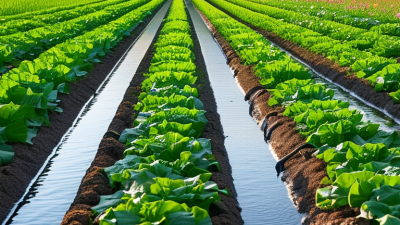
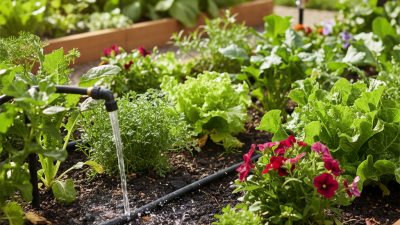
Other systems deliver water more directly. Drip lines release slow drops near the root zone, while soaker hoses wet a narrow strip of soil.

A reliable irrigation system begins at the water source. Pipes carry water through filters, valves, and pressure controls. Emitters or sprinkler heads then distribute it according to the landscape’s needs. Good design considers soil type, plant spacing, slope, and local weather.

Sandy soil may need shorter, more frequent watering. Clay soil absorbs water slowly and can create runoff.

Watch the ground.

In practical maintenance, uneven growth often reveals poor water distribution. One corner may stay dry while another becomes muddy. I have found that small adjustments can help, but no layout stays perfect forever. Plants grow, roots spread, and soil changes. Sprinklers also lose efficiency when blocked or tilted.

Tips:

Water early in the morning to reduce evaporation.
Check the soil before running the system.
A simple finger test can reveal dry conditions.
Adjust spray patterns away from paths and walls.
Inspect connections regularly for leaks.
Avoid watering by habit alone.

Key Differences in Coverage, Efficiency, and Control

Sprinklers and irrigation are related, but they do not perform the same job. A sprinkler sprays water through the air, covering lawns, flower beds, and large open areas. Its coverage can be even when pressure and spacing are correct. However, wind may carry droplets onto paths or nearby walls.

Irrigation is the wider system category. It can include sprinklers, drip lines, soaker hoses, and other methods that deliver water to plants.

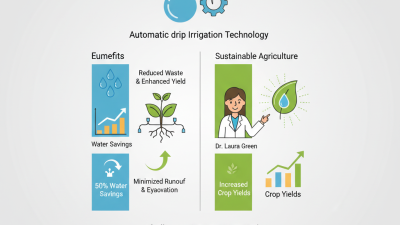
Coverage, efficiency, and control reveal the clearest differences. Sprinklers are fast and convenient, but some water evaporates before reaching the soil. Drip irrigation applies slow, targeted moisture near plant roots. This usually reduces waste and keeps leaves dry, which can help limit some plant diseases.

Control also differs. A zone-based irrigation system can adjust timing, flow, and watering depth. Still, poor installation can create dry patches. Technology cannot repair careless spacing.

Tips: Check the soil before watering. If the top few centimeters feel damp, wait. Place a small container under a sprinkler to measure output across the area.

Compare depths, not just spray distance. Use shorter cycles on compacted soil, allowing water to soak in between them.

I sometimes prefer a less powerful setting, even when it looks slower. The ground often absorbs water better that way.

Choosing Between Sprinklers and Other Irrigation Methods

What Is the Difference Between Sprinkler and Irrigation?

Choosing between sprinklers and other irrigation methods starts with the soil, crop, and water pressure. Sprinklers distribute water through overhead spray, resembling natural rainfall. They suit lawns, sports fields, and broad vegetable beds. However, wind can carry droplets away, while hot weather increases evaporation. Drip irrigation places water near plant roots through narrow lines. It usually wastes less water, but clogged emitters can quietly damage a planting bed.

The Food and Agriculture Organization’s AQUASTAT database reports that agriculture accounts for about 70% of global freshwater withdrawals. That figure makes system selection more than a maintenance decision.

The U.S. Environmental Protection Agency reports that WaterSense-labeled irrigation controllers can reduce landscape water use by up to 15%. Actual savings still depend on programming, leaks, and local weather. Numbers alone are not enough.

USDA Natural Resources Conservation Service guidance commonly places drip and micro-irrigation efficiency around 80–95%, while sprinkler performance varies with design and operating conditions. A well-adjusted sprinkler may outperform a neglected drip system. That is easy to overlook. Inspect spray patterns during operation. Check whether soil is wet below the surface, not merely dark on top. Sandy soil may need short, frequent cycles; clay soil often needs slower application and pauses. Subsurface irrigation can reduce surface evaporation, but repairs are harder to locate. Choosing the cheapest installation may become expensive when pressure, filtration, and seasonal adjustments are ignored.