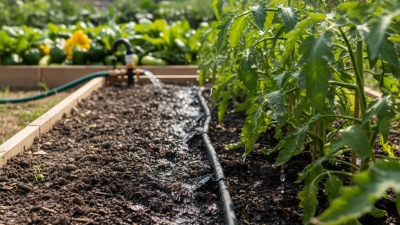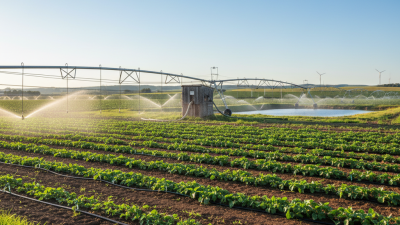
In 2026, garden drip irrigation is becoming a precise water-management tool for homes, farms, and commercial landscapes. Global buyers need more than attractive product photos and low prices. They must consider climate, crop spacing, water pressure, filtration, and available maintenance support. A small greenhouse in Dubai may require heat-resistant tubing and frequent flushing. A berry plot in northern Europe may need frost protection and shorter irrigation cycles. Water quality matters too. Hard water can gradually block narrow emitters.
This guide compares leading garden drip irrigation systems through practical buying criteria. It examines tubing durability, emitter accuracy, pressure regulation, filter quality, connectors, timers, and installation flexibility. Systems should deliver steady flow near the first and last plants. That is not always guaranteed. Real gardens contain slopes, bends, clogged filters, and uneven pressure. A careful assessment should include user manuals, replacement-part access, warranty terms, and supplier transparency. International buyers should also confirm electrical compatibility before purchasing automated controllers. Standards and certifications can support trust, but they do not replace field testing. Some impressive systems may still be difficult to repair locally. Others may perform well but lack clear instructions. This comparison recognizes those weaknesses instead of promising one perfect solution. The aim is practical guidance for selecting efficient equipment, reducing water waste, and building a system that remains dependable across different growing conditions.
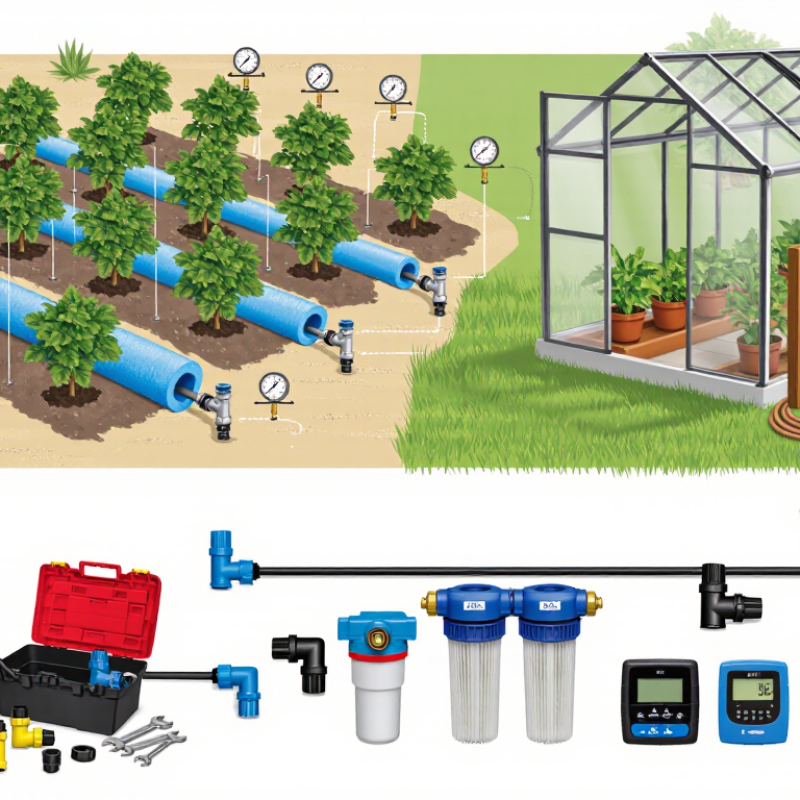
A garden drip irrigation system delivers water slowly to plant roots through narrow tubes and small emitters. Unlike sprinklers, it avoids spraying large areas, leaves, and pathways. A typical system includes a water connection, filter, pressure regulator, mainline tubing, and adjustable emitters. Each emitter releases measured drops near a plant’s root zone. This reduces surface evaporation and keeps foliage drier, which may help lower some disease risks.
In practical use, the system works best when matched to soil, climate, and plant spacing. Sandy soil may need closer emitters and shorter watering intervals. Clay soil usually absorbs water more slowly. A vegetable bed, flower border, and young tree should not share identical settings. Water pressure also matters. Too much pressure can loosen fittings or damage thin tubing. Too little pressure creates dry sections at the far end. It is not completely automatic.
Tips: Install a filter before the tubing. Check emitters weekly for sediment or insects. Place a small container under an emitter to measure output. Adjust watering after observing soil moisture, not only the timer. In hot climates, early morning watering is often practical, but local conditions differ. Mulch can reduce evaporation, although it may hide leaks. I have found that simple systems are easier to inspect, yet they still need seasonal changes. A timer may save labor, but it cannot recognize rain, root growth, or compacted soil. Buyers should also verify local water-use requirements before installation.
What Is a Garden Drip Irrigation System?
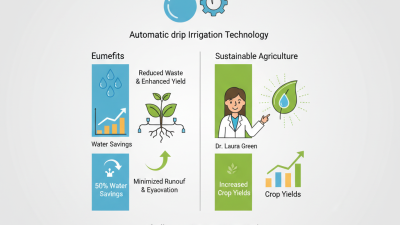
A garden drip irrigation system delivers water slowly and directly to the soil near plant roots through emitters, reducing evaporation and runoff. Typical application efficiency is approximately 90–95% for drip irrigation, compared with 65–80% for sprinkler irrigation and 50–60% for surface irrigation. Actual performance depends on system design, pressure regulation, soil type, climate, and maintenance.
Data shown as typical agricultural application-efficiency ranges based on commonly reported irrigation engineering guidance; values are not brand-specific.
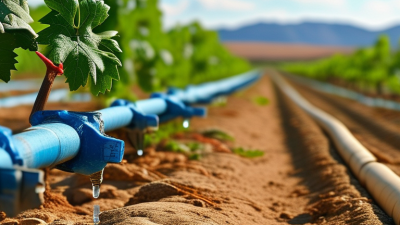
Garden drip irrigation is not one universal system. The right type depends on plant spacing, soil texture, water pressure, and climate. In raised beds, inline drip tubing works well when vegetables grow in straight rows. Its emitters are evenly spaced, keeping installation quick and tidy. A 30-centimeter spacing suits many leafy crops. Wider spacing may waste water in sandy soil. This detail is easy to miss.
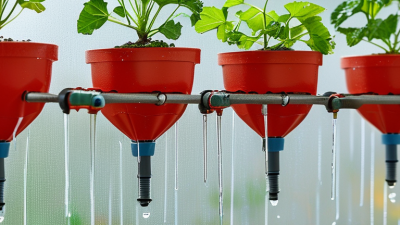
Point-source systems fit shrubs, fruit trees, pots, and mixed borders. Each adjustable emitter releases water near one plant’s root zone. In practical installations, lower flow suits young citrus trees, while established trees need more water. Containers require short tubing runs because small pots drain quickly. Pressure-compensating emitters help on sloped ground. However, they can clog without proper filtration. Clean water matters.
For dry climates, subsurface drip lines can reduce surface evaporation and keep paths dry. They require careful burial depth and regular inspection. Root intrusion remains a real maintenance concern. Micro-drip systems, using narrow tubes and stakes, suit balconies and dense herb gardens. They are flexible but easier to knock loose. No layout works perfectly. Global buyers should check inlet fittings, pressure ranges, filter sizes, and replacement availability before installation.
Start with local water conditions. The FAO AQUASTAT database reports that agriculture accounts for roughly 70% of global freshwater withdrawals. Efficient delivery matters.
Measure source pressure, flow rate, garden size, and daily watering demand. A compact balcony needs different emitters than a commercial nursery.
Look for adjustable or pressure-compensating emitters, reliable filtration, and tubing that tolerates strong sunlight.
The U.S. EPA WaterSense program notes that drip irrigation can reach about 90% efficiency, compared with approximately 65–75% for conventional sprinklers.
Water quality changes everything. Hard water can block narrow emitters. In sandy areas, poor filtration may damage pumps and fittings. A 120-mesh filter is common for many drip layouts, but the correct grade depends on emitter design. Do not assume one specification fits every country.
For export markets, check thread sizes, hose diameters, labeling rules, and replacement-part availability.
Electrically powered controllers should match local voltage, frequency, and plug requirements. Simple battery models may reduce installation problems. However, batteries create waste and maintenance concerns.
Field installers often prefer modular systems. One failed section should not stop the whole garden. I have seen buyers focus on flow claims and ignore cleaning access. That decision becomes expensive.
A practical trial in local water conditions is still wiser than a perfect catalog specification.
A garden drip irrigation system works best when its layout matches the plants, soil, and water supply.
Measure each bed before buying tubing. Mark shrubs, vegetables, and young trees separately, because their watering needs differ. A simple sketch prevents expensive changes later.
Install a filter and pressure regulator after the water source.
The filter catches grit, while the regulator protects small emitters from excessive pressure. Lay the main tubing along the bed edge, then connect smaller lines toward each plant.
Keep emitters close to the root zone, not against the stem. Secure loose tubing with stakes, especially on windy ground. Flush every line before attaching end caps.
Dirty water can block emitters quickly.
Test the system during daylight.
Open each zone and watch for leaks, uneven flow, or flooded soil. Adjust emitter spacing when sandy soil drains quickly; clay soil may need slower, less frequent watering.
A timer can improve consistency, but it should not replace inspection after heavy rain or unusually hot weather. My first layout used equal emitter spacing everywhere. That looked tidy, but several herbs stayed too wet.
A less perfect arrangement worked better.
Check the soil with your finger after irrigation, and record changes for the next week.
Small corrections often matter more than expensive equipment.
For global buyers, the best garden drip irrigation system is not always the most expensive one. It should match local water quality, climate, soil, and available fittings. A reliable setup usually includes a filter, pressure regulator, durable tubing, and adjustable emitters. These parts protect plants from uneven watering and reduce clogged outlets. Check compatibility before ordering. Thread sizes and hose standards vary between countries.
Maintenance determines long-term efficiency. Flush the mainline regularly, especially when using tank water or hard water. Clean the filter when pressure drops. Inspect emitters after hot weather, because blocked outlets can leave dry circles around plants. Use a simple catch-can test to compare water collected from several emitters. Small differences matter. I still find overlooked leaks near connectors after routine checks, so visual inspection remains essential. Replace brittle tubing before it splits during peak watering periods.
Safety also deserves careful planning. Keep electrical timers and connections away from standing water. Install backflow protection where local rules require it, particularly when fertilizer injectors are used. Secure tubing across paths to prevent trips, and avoid excessive pressure that can burst fittings. Choose materials rated for outdoor exposure and confirm they are suitable for irrigation use. Automated schedules should respond to rain, temperature, and seasonal plant needs. A fixed timer may waste water during cool, wet weeks. That is an easy mistake. Test the system manually before leaving the garden unattended.
| System Configuration | Typical Application | Recommended Operating Pressure | Common Emitter Flow Rate | Estimated Water-Saving Potential* | Filtration Requirement | Routine Maintenance | Key Safety Considerations |
|---|---|---|---|---|---|---|---|
| Pressure-compensating inline dripline | Vegetable beds, hedges, raised beds, and long planting rows | 0.8–1.5 bar (12–22 psi) | 1.6–2.3 L/h per emitter | 30–60% compared with surface sprinkler irrigation | 120-mesh filter is commonly suitable for clean municipal or borehole water | Flush lines monthly during the irrigation season; inspect connectors and end caps | Install a pressure regulator; prevent excessive pressure that can split tubing or fittings |
| Adjustable point-source emitters | Potted plants, containers, shrubs, and mixed-density beds | 0.7–1.4 bar (10–20 psi) | 0–120 L/h, adjustable by emitter type | 25–55%, depending on adjustment and plant spacing | 100–120 mesh filter recommended to reduce clogging | Check and clean emitters every 4–8 weeks; verify individual flow rates | Avoid excessive flow near stems; use stakes to keep outlets stable and visible |
| Porous soaker hose | Short beds, borders, and relatively level planting areas | 0.3–0.7 bar (5–10 psi) | Variable; commonly 2–8 L/h per metre | 20–50% compared with overhead sprinklers | At least 100 mesh; finer filtration may be needed with surface water | Flush at the start and end of the season; check for uneven wetting and kinks | Use low pressure only; excessive pressure can cause ruptures and uneven discharge |
| Subsurface dripline | Lawns, permanent beds, orchards, and areas requiring concealed tubing | 0.8–1.5 bar (12–22 psi) | 1.0–2.3 L/h per emitter | 35–65% compared with overhead irrigation | 120-mesh filter; flushing points are strongly recommended | Flush several times per season; inspect for root intrusion and pressure loss | Use root-resistant tubing where appropriate; mark buried lines before digging |
| Gravity-fed drip system | Rain barrels, remote plots, and locations without reliable mains power | 0.1–0.5 bar (1.5–7 psi), depending on tank height | 0.5–4.0 L/h per emitter | 20–50% compared with manual hose watering | 100–150 mesh filter; clean tank screens regularly | Clean the tank and filter monthly; keep tubing above sediment | Secure the tank and stand; prevent stagnant water, algae growth, and trip hazards |
| Solar-powered automated drip system | Remote gardens, greenhouses, and water-limited installations | 0.8–2.0 bar (12–29 psi), controlled by the pump | 1.0–8.0 L/h per emitter | 30–60% compared with fixed-time sprinklers | 120-mesh filter and a pump inlet screen | Clean the panel monthly; check battery condition, pump intake, wiring, and filters | Use outdoor-rated electrical components; keep connections dry and install overload protection |