How to Choose the Best Landscape Irrigation System
Choosing the right landscape irrigation system starts with observing the property, not buying equipment. A narrow garden bed, a sloped lawn, and young trees each need different water delivery. The best option depends on plant types, soil texture, sun exposure, wind, and available water pressure. Watch how water moves during a normal watering cycle. Puddles and dry edges are useful clues. They matter. Sandy soil may drain quickly, while compacted soil can shed water before roots absorb it. Local climate and seasonal rainfall also affect how often irrigation should run. No yard is perfectly uniform. Even careful plans can miss a stubborn dry corner.
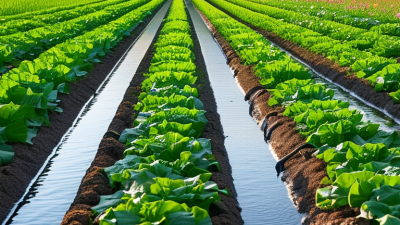
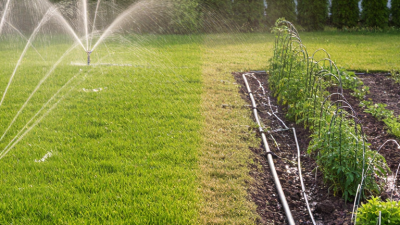
This guide compares common options, including drip lines, spray systems, and subsurface irrigation. It considers where each approach may fit, what maintenance it requires, and how layout affects performance. Drip irrigation can target planting beds, while sprinklers may suit broader lawn areas; neither is ideal for every site. Controller features can help adjust schedules, but automation cannot correct poor coverage or misplaced emitters. Start with observation. Measure the area, check water pressure, and note plants with different needs before choosing equipment. For complex layouts or uncertain pressure, a qualified irrigation professional can assess the site. A practical system should match real conditions, not just a product description. That distinction is easy to overlook.
Assessing Landscape Water Needs and Plant Requirements
Before choosing an irrigation system, map where water is actually needed. A sunny strip beside a driveway may dry quickly, while a shaded bed can stay damp for days. Group plants with similar needs into separate watering zones. Keep thirsty vegetables apart from drought-tolerant shrubs; one schedule rarely suits both.
Look closely at soil and slope, too. Sandy soil drains fast, so shorter, more frequent watering may help. Clay holds moisture longer and can puddle when watered too quickly. Watch after watering. Check the soil. A finger pushed a few inches down often reveals more than a dry-looking surface. Note which areas receive afternoon sun, wind, or runoff from a roof.
Plant age and root depth also matter. Newly planted trees need attention while roots establish, but established plants may need less frequent, deeper watering. Drip lines can direct water toward roots in beds, while sprinklers may suit open lawn areas. Neither option fixes poor timing. Measure rainfall with a simple gauge, then adjust schedules as temperatures and plant growth change. Even a careful map is only a starting estimate; revisit it after a hot week or a heavy rain. A few plants may still need hand watering, and that is not necessarily a design failure.
Evaluating Soil, Slope, Climate, and Water Availability
How to Choose the Best Landscape Irrigation System
Start with the soil, not the equipment. Sandy soil drains quickly, so shorter, more frequent watering may reduce waste. Clay holds water longer, but heavy watering can cause pooling. Check a few spots with a hand trowel; one corner rarely represents the whole yard. A simple infiltration test can help reveal how quickly water disappears. Soil varies. That matters.
Tips: Place straight-sided containers around a test area and run the system briefly. Compare the collected water. If containers differ sharply, adjust spacing or flow before extending the layout.
Slope changes how water moves. On a hillside, use shorter watering cycles with pauses, giving moisture time to soak in instead of running downhill. Climate matters too: hot, windy weather can dry exposed beds quickly, while shade and seasonal rain reduce demand. Check local weather patterns and observe plants before changing schedules. I would not treat a fixed timer as a perfect answer; even a well-planned system needs occasional adjustment.
Finally, match the design to dependable water availability. Note the source’s flow rate and pressure, and consider whether restrictions or seasonal shortages affect supply. Drip lines can suit planting beds, while sprinklers may fit open lawns, but neither works well when poorly matched to the site. Recheck dampness below the surface, not just the appearance of the topsoil.
Comparing Irrigation Methods for Different Landscape Zones
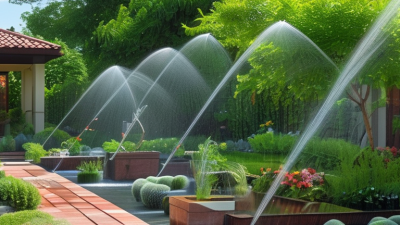
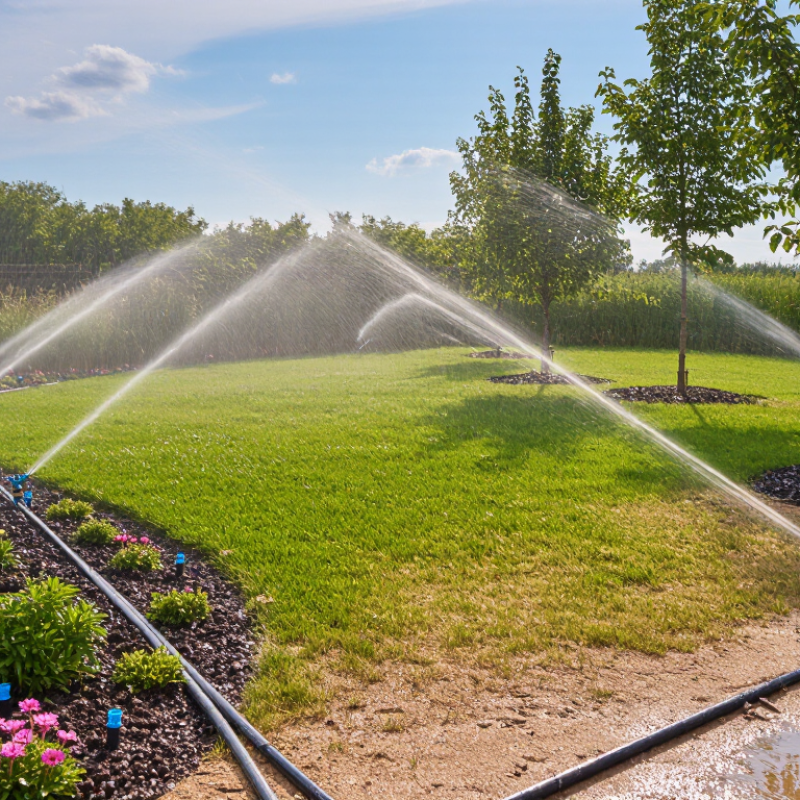
A landscape rarely needs one irrigation method everywhere. Open lawns usually suit well-adjusted sprinklers, which can cover broad areas without placing tubing around each plant. Choose heads that match the lawn’s shape, and avoid spraying paths or walls. Shorter cycles may help water soak into compacted soil instead of running off. That matters.
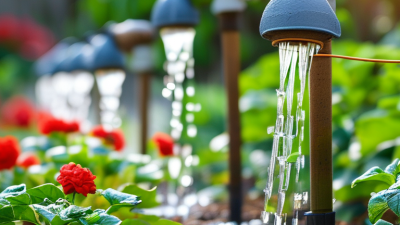
Planting beds often benefit from drip lines or soaker hoses. These deliver water near roots and keep foliage drier, which can reduce conditions that favor some plant diseases. Space emitters according to plant size and soil type; sandy soil may need closer spacing than clay. Check the soil. A dry surface does not always mean roots need water, especially beneath mulch.
Trees and established shrubs need a different approach. Place emitters near the outer canopy rather than against trunks, then adjust as roots and branches grow. On slopes, use low-flow emitters or brief cycles with pauses to limit runoff. Shaded zones may need less frequent watering than sunny beds, but wind and soil drainage also affect demand. A rain sensor or soil-moisture probe can help, though neither replaces occasional inspection. No layout is perfect. Even a carefully planned system can leave a dry patch, so watch plants for stress and reassess coverage after seasonal changes.
How to Choose the Best Landscape Irrigation System
Typical application-efficiency estimates by irrigation method and landscape zone
Dripline is often well suited to planting beds and slopes, while sprinklers can be practical for turf. Estimates are planning benchmarks; actual efficiency depends on system design, maintenance, soil, wind, and installation.
Selecting System Components, Controls, and Efficiency Features
Choose components around the landscape’s actual needs. EPA reports that outdoor use averages more than 30% of household water consumption and can reach 60% in dry regions. That makes matching delivery to planting beds, turf, and soil especially important. Drip lines suit many planted beds; spray heads may fit narrow strips, while rotors can cover broader lawns. Check pressure, flow, and filtration before selecting emitters. Uneven pressure can leave one corner soggy and another dry. It happens.
Divide the yard into zones with similar sun, slope, and plant needs. Then pair the valves with a controller that can adjust schedules using local weather or soil moisture. EPA WaterSense estimates that labeled irrigation controllers can save an average home nearly 7,600 gallons of water annually. A rain shutoff feature and seasonal schedule adjustments add practical safeguards. Still, sensors are not magic. Poor placement or an unchanged schedule can undermine them. After installation, run each zone and use catch containers to check whether water lands evenly. Inspect filters, heads, and connections during the season; a small leak can quietly waste water. One easy detail to miss is runoff on a slope, where shorter cycles with pauses may soak in better.
Planning Installation, Watering Schedules, and Maintenance
How to Choose the Best Landscape Irrigation System
Plan around the plants, soil, slope, and available water pressure—not just the lawn’s shape. Draw zones for plants with similar needs; a sunny flower bed and shaded shrubs rarely need identical watering. Before installation, check that pipes and emitters deliver even coverage. A catch-can test can reveal dry patches: place straight-sided cups across a zone, run it briefly, and compare the water collected. A tidy plan can still miss a windy corner, so leave room to adjust.
Set watering schedules for early morning, when cooler air usually reduces evaporation. Use short cycles on slopes or dense clay, allowing water to soak in between runs. The U.S. Environmental Protection Agency estimates that landscape irrigation uses nearly one-third of residential water in the United States, and as much as half may be wasted through inefficient watering. That figure makes regular checks worthwhile.
Look for clogged emitters, leaks, shifted spray heads, and runoff after each seasonal change. Small leaks add up.
Tips: Keep a dated log of run times and repairs. After rain, check soil several inches below the surface before watering again. I find schedules can look precise on paper yet fail in real weather; adjust them when plants show stress or water pools near their roots.