What is Sprinkler and Irrigation Systems and How Do They Work?
Sprinkler and irrigation systems play a crucial role in modern agriculture and landscaping. These systems allow for efficient water distribution, ensuring that plants receive the hydration they need to thrive. With the right setup, they can save time and reduce water waste significantly.
Understanding how sprinkler and irrigation systems work is essential for anyone involved in managing gardens or agricultural fields. These systems consist of various components that work together to deliver water. For example, pumps move water from a source, and hoses or pipes distribute it effectively over the desired area.
However, these systems are not without challenges. Overwatering can lead to plant stress and environmental impact. Not every setup suits every land type. Choosing the correct system requires careful planning and knowledge. Consider factors like soil type and plant needs. Each decision influences the overall effectiveness of the system. This makes knowledge about sprinkler and irrigation essential.
Understanding Sprinkler Systems: Definition and Components
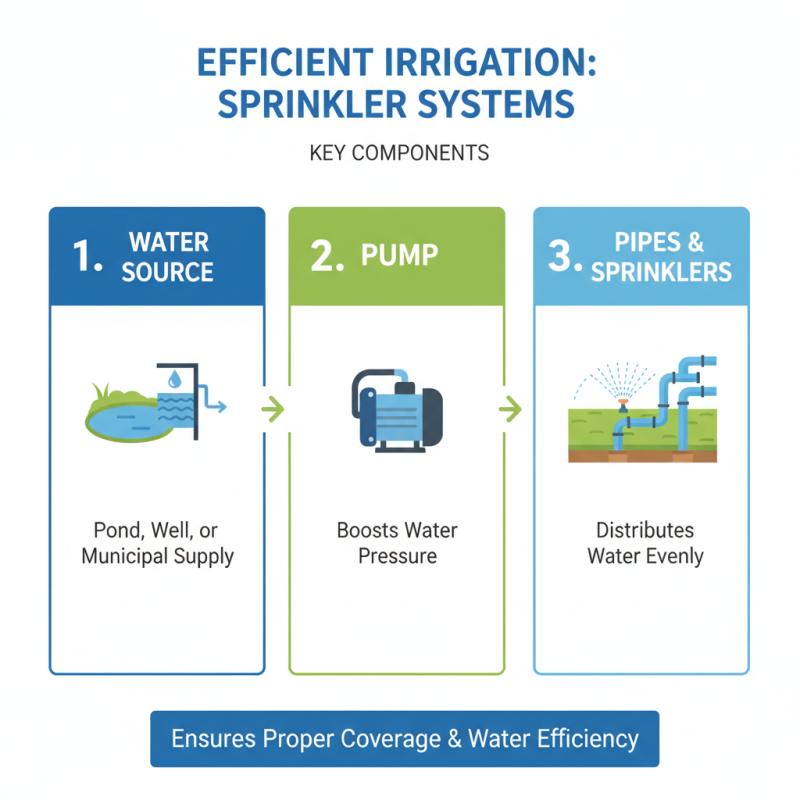
Sprinkler systems are essential for efficient irrigation. They distribute water evenly across lawns and gardens. Understanding their components helps in selecting the right system. Key parts include the water source, pump, and pipes. These elements work together to ensure proper coverage.
Sprinkler heads play a crucial role. They release water in various patterns. Some heads spray in a full circle, while others cover partial areas. Control valves manage the flow of water. Timers automate the watering schedule, preventing overwatering. This can save water and improve plant health.
Maintenance is often overlooked. Clogged sprinkler heads can impair performance. Regular checks help identify leaks or broken components. Awareness of these details leads to better irrigation practices. A well-functioning system enhances the beauty of any landscape.
The Basics of Irrigation Systems: Types and Applications
Irrigation systems are vital for agriculture. They provide necessary water to crops in various conditions. There are several types of irrigation systems, each with unique applications.
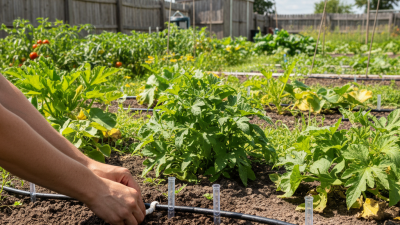
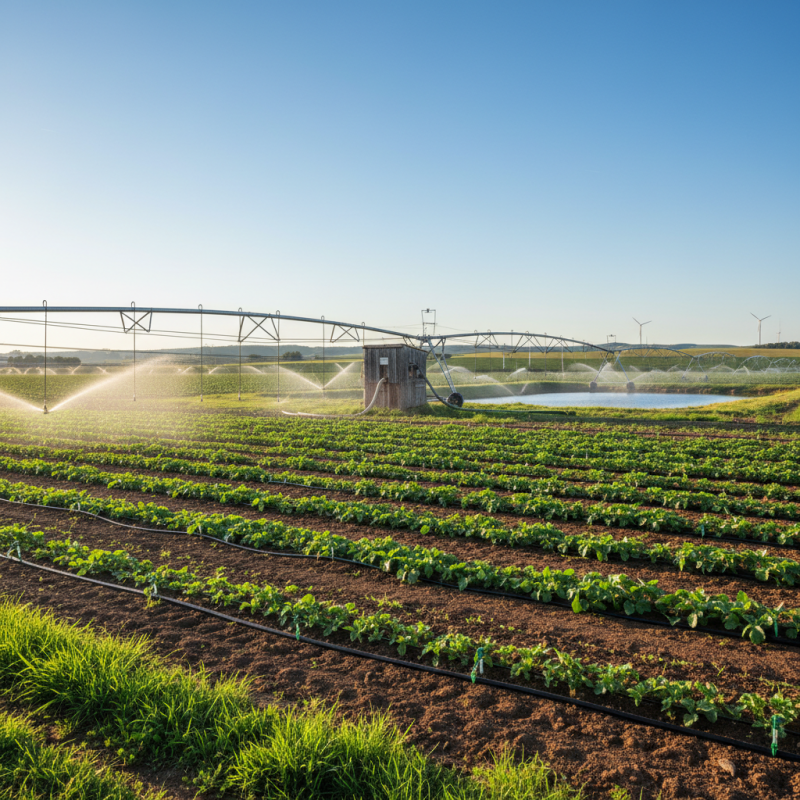
Drip irrigation is efficient and conserves water by delivering it directly to the roots. It’s perfect for gardens or small farms.
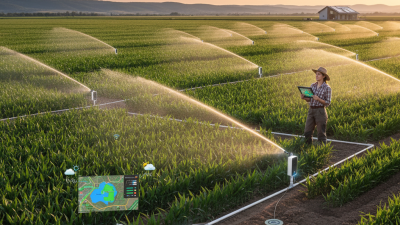
Sprinkler systems, on the other hand, mimic rainfall. They are ideal for larger areas. These systems can be stationary or mobile, providing versatility.
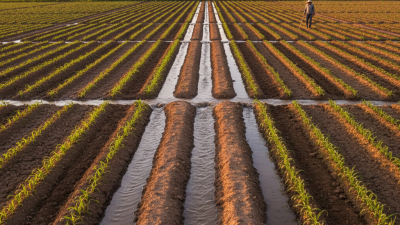
Surface irrigation utilizes gravity to distribute water. It’s often seen in rice paddies and large fields.
Despite their effectiveness, many systems have flaws. For instance, improper installation can lead to wastage. Regular maintenance is essential for optimal performance. Farmers should assess their specific needs.
Choosing the right system can dramatically affect crop yield and resource conservation. Understanding these systems is crucial for sustainable agriculture.
How Sprinkler and Irrigation Systems Work: A Step-by-Step Process
Sprinkler and irrigation systems are essential for maintaining healthy landscapes and crops. They provide an efficient way to deliver water. The process begins with water sourcing. This can be from wells, ponds, or municipal supplies. The water is then filtered to remove debris, ensuring clean delivery.
Next, water flows through a series of pipes. These pipes distribute water to various parts of a landscape or field. This is where pressure matters. According to the Irrigation Association, optimal pressure increases efficiency. It’s crucial to monitor these conditions regularly. Leaks or blockages can lead to waste or uneven watering. An inefficient system can waste up to 50% of water supply.
The final phase involves the actual application of water. Sprinklers or drip emitters release water at different rates. Some systems use timers for automation. Automation is convenient. However, reliance on technology can overlook manual checks. Reports indicate that 25% of irrigation systems are improperly adjusted. Routine inspections should not be ignored. Regular maintenance can significantly enhance water savings and yield. Keeping these systems in check is vital for agricultural sustainability.
Monthly Water Usage in Sprinkler and Irrigation Systems
Key Differences Between Sprinkler and Irrigation Systems
Sprinkler and irrigation systems serve essential roles in watering landscapes. They may seem similar, but they have key differences.
Sprinkler systems often spray water over large areas through a network of pipes and sprinkler heads.
These systems can cover gardens, lawns, and sports fields. They distribute water in a way that mimics natural rainfall.
However, they can waste water if not used properly.
Irrigation systems, on the other hand, focus more on delivering precise amounts of water where needed. They often include drip systems that deliver water directly to plant roots. This method minimizes evaporation and runoff.
While irrigation systems provide efficiency, they require clear planning. It's easy to overlook locations that need more focus.
Additionally, both systems must be maintained regularly. Neglecting them can lead to leaks or uneven watering.
Understanding these differences can help you choose the right approach for your specific needs.
Maintenance Tips for Effective Sprinkler and Irrigation System Performance
Maintaining your sprinkler and irrigation system is crucial for optimal performance. Regular inspections help identify leaks or clogs. Look for wet patches in your yard, as they may indicate underlying issues. Checking the sprinkler heads for proper alignment and uniform coverage can make a big difference. A misaligned head can waste water and leave dry spots.
Don't forget about the filters and screens. These components can easily accumulate debris over time. Cleaning them regularly can prevent blockages that hinder water flow. Sometimes, it’s easy to overlook them. A simple cleaning routine can save you from costly repairs later on. Check the system’s timer settings as well. If it's not adjusted seasonally, plants may not receive adequate water, especially during droughts.
Winterization is another aspect that shouldn’t be ignored. If you live in a colder climate, be sure to drain and protect your system from freezing. Ignoring this can lead to cracked pipes and expensive damages. Remember, a little effort in maintenance can ensure your system operates effectively.