How to Optimize Residential Irrigation for Water Conservation?
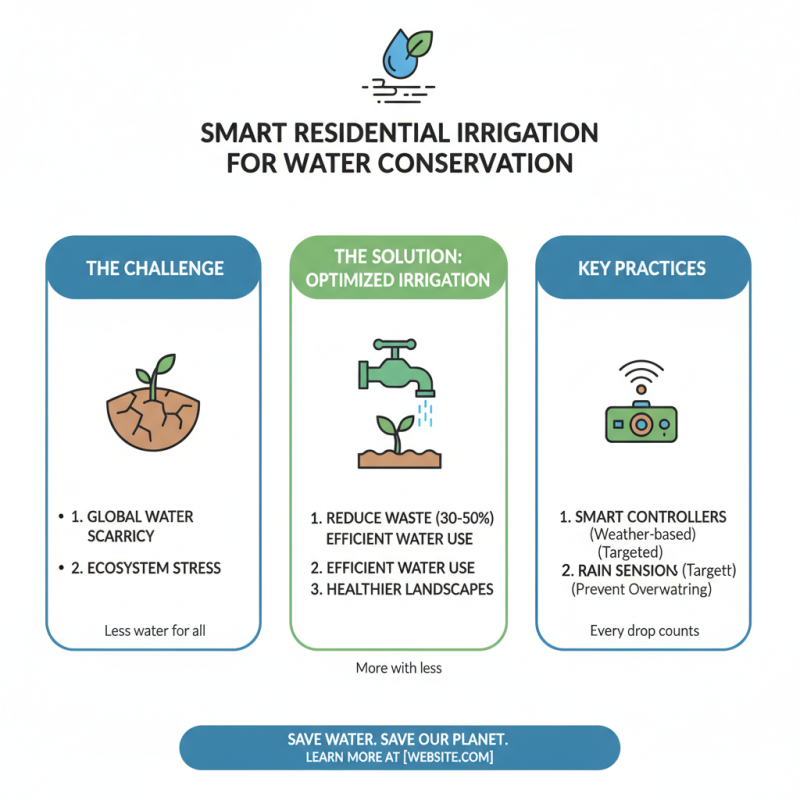
Water conservation is essential in today’s world. Residential irrigation plays a crucial role in this effort. Many homeowners overlook simple methods to save water in their gardens. Mismanaged sprinkler systems waste vast amounts of water. In fact, studies show that up to 50% of residential irrigation water is lost due to inefficient practices.
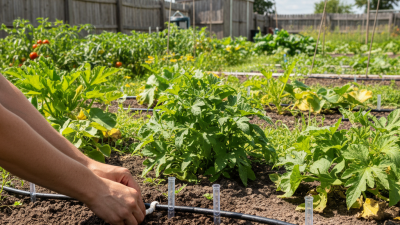
Effective strategies start at home. Regularly checking for leaks can make a significant difference. Installing drip irrigation systems is another excellent option. They deliver water directly to the plant roots, reducing evaporation. Yet, many people hesitate to make these changes. Cost concerns and lack of knowledge often hold them back.
However, the benefits of optimizing residential irrigation far outweigh the initial challenges. Not only does it conserve water, but it also leads to healthier gardens. Educating ourselves about sustainable practices is vital. It is time to reflect on how we can improve our outdoor water use. Each small change contributes to a larger goal of conservation and sustainability.
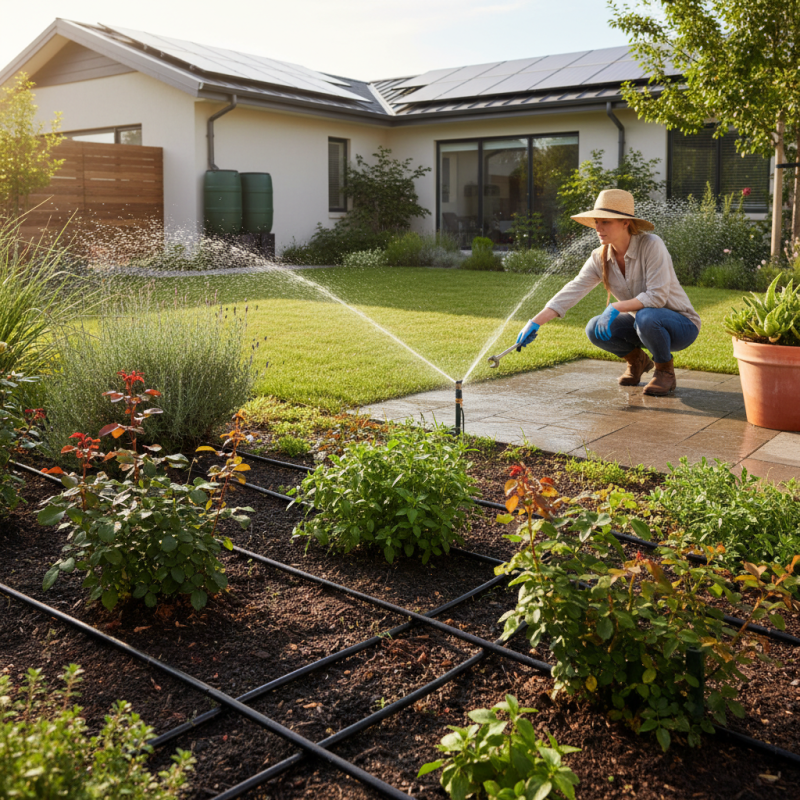
Understanding Residential Irrigation: Importance of Water Conservation
Understanding residential irrigation is essential for effective water conservation. With water scarcity becoming a pressing issue, optimizing our irrigation practices can significantly impact local ecosystems. Efficient systems reduce wastage and ensure that plants receive the moisture they need.
In a typical home garden, many homeowners overwater their lawns. This not only wastes water but also leads to root rot and pest problems. It is important to tailor irrigation schedules to seasonal changes. For example, watering early in the morning can minimize evaporation. Using mulch can help retain soil moisture, reducing the frequency of watering.
Awareness about native plants and their water requirements is crucial. Planting drought-resistant species can cut water use drastically. It’s worth noting that many homeowners still overlook this option. The focus should be on sustainable practices that adapt to our changing climate, ensuring healthy gardens while conserving precious resources.
Assessing Your Current Irrigation System for Efficiency and Effectiveness
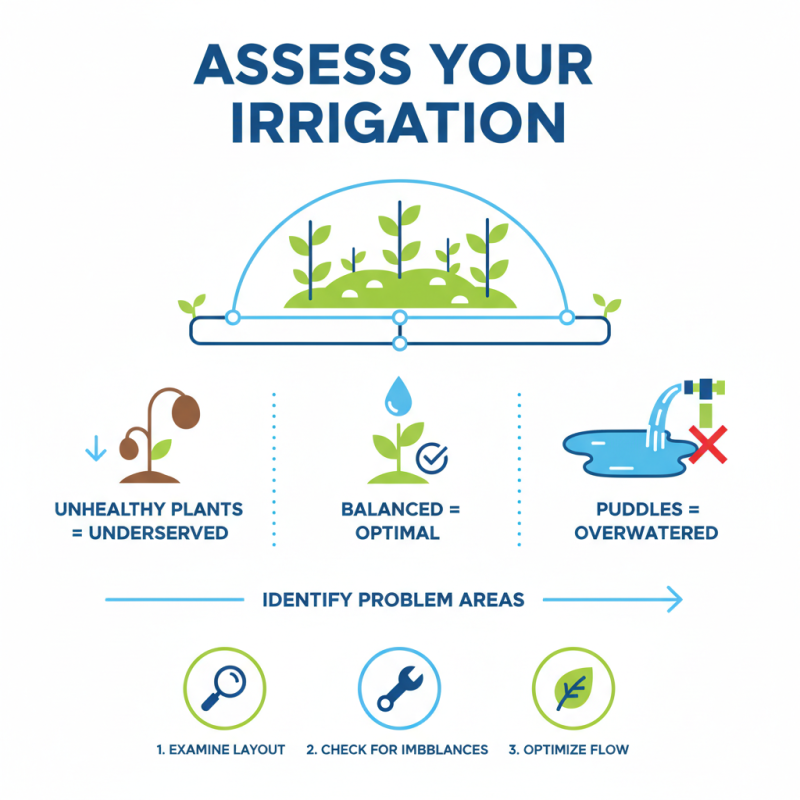
To assess your current irrigation system, start by examining its layout. Check for any areas that are overwatered or underserved. If some plants look unhealthy, they might not be getting enough water. On the other hand, puddles can indicate excess water. Identify the problem zones.
Next, inspect the timing and duration of watering. Many homeowners water daily without considering the weather. A rain gauge can give you insights. If it rained recently, paused watering for a few days. Also, look at the water pressure. Low pressure can affect irrigation efficiency. High pressure can cause water waste.
Consider collecting rainwater for irrigation. It’s an effective way to reduce water usage. If your system uses sprinklers, adjust their direction. Ensure they only water plants and not pavement. Review the type of plants you have. Some may require less water. A diverse garden can thrive with less irrigation. Making these small changes can significantly enhance your system's effectiveness.
Choosing the Right Watering Schedule and Techniques for Optimal Coverage
To optimize residential irrigation, choosing the right watering schedule is essential. Research shows that most lawns need about an inch of water per week. However, many homeowners overwater, leading to waste. This often happens because people water daily without considering weather changes or soil moisture. A smart approach is to water deeply but less frequently. This encourages deeper root growth.
Timing your irrigation can also improve water conservation. Early morning is ideal. Water evaporates less at this time. Studies indicate that watering between 4 AM and 9 AM can save up to 30% more water. In contrast, evening watering can lead to fungal diseases. Understanding your local climate can help adjust schedules too. For example, in arid regions, extending watering intervals is crucial.
Different techniques can enhance coverage and efficiency. Drip irrigation systems reduce runoff, targeting plant roots directly. According to industry data, drip systems can save up to 60% more water than traditional sprinklers. However, installation costs can be higher. Homeowners often overlook maintenance facts. Clogged emitters can waste water ultimately. Evaluating your irrigation system regularly will ensure it functions effectively.
Implementing Smart Irrigation Technologies for Enhanced Control
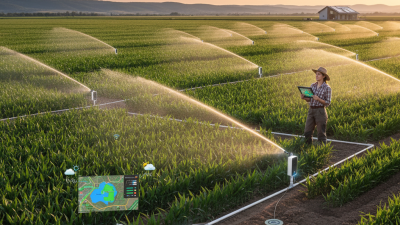
Implementing smart irrigation technologies transforms how residential landscapes are watered. These systems utilize sensors and monitoring tools to gather data on soil moisture levels. According to the Environmental Protection Agency, smart irrigation can reduce water usage by up to 50%. This substantial reduction is crucial in regions facing severe drought or water shortages.
Bluetooth-enabled irrigation controllers are becoming popular. They allow homeowners to customize watering schedules easily. A recent report indicates that only 15% of homeowners have adopted such systems. Many still rely on traditional timers, which often lead to overwatering or underwatering. The gap highlights a need for education on smart irrigation benefits and a shift towards more efficient practices.
Moreover, integrating weather data into irrigation systems enhances performance. These systems consider factors such as rainfall and temperature. As a result, they adjust watering schedules accordingly. Yet, many homeowners fail to recognize the impact of local climate on their watering needs. This oversight could lead to wasted water and unhealthy plants. Making informed adjustments is key to maximizing the effectiveness of any irrigation system.
How to Optimize Residential Irrigation for Water Conservation? - Implementing Smart Irrigation Technologies for Enhanced Control
| Technology |
Water Savings (%) |
Soil Moisture Sensor |
Smart Controller |
Drip Irrigation |
| Traditional Sprinkler |
20% |
No |
No |
No |
| Smart Sprinkler |
40% |
Optional |
Included |
No |
| Drip Irrigation System |
50% |
No |
No |
Yes |
| Soil Moisture Monitoring |
30% |
Yes |
Included |
No |
| Rain Sensor |
15% |
No |
Optional |
No |
Adopting Sustainable Practices to Reduce Water Usage in Gardens and Lawns
Gardens and lawns often consume significant water. To minimize this, sustainable practices are essential. One effective method is to collect rainwater. Rain barrels can gather water during showers, reducing reliance on tap water. This method not only conserves water but also benefits plants that thrive on natural moisture.
Mulching is another valuable technique. A thick layer of mulch around plants retains soil moisture. It also prevents weeds from growing, which can compete for water. However, it’s crucial to refresh mulch regularly to ensure its effectiveness. Over time, mulch can break down and lose its benefits.
Additionally, consider planting native species. These plants require less water and are usually more resilient. They adapt better to local climates. However, remember that not all native plants will thrive in every garden. It may take some trial and error to find the right fit.