How to Choose the Best Diesel Air Heater for Your Needs?
Choosing the right Air Heater Diesel can significantly impact your comfort in cold environments. With numerous models and features available, it can be overwhelming to make a decision. A good diesel air heater not only provides warmth but also ensures efficiency and reliability.
Many users report varying experiences with different models. Some heaters are praised for their quick heating capabilities and fuel efficiency. However, others may struggle with noise levels and durability issues. It’s crucial to consider both personal needs and the product’s specifications before making a choice. Diving into customer reviews and expert opinions can reveal valuable insights.
Your requirements may vary based on the environment and frequency of use. For example, a compact model may suit occasional campers, while larger units might be necessary for prolonged outdoor work or living. Reflecting on these factors will guide you toward selecting the best Air Heater Diesel for your unique situation.
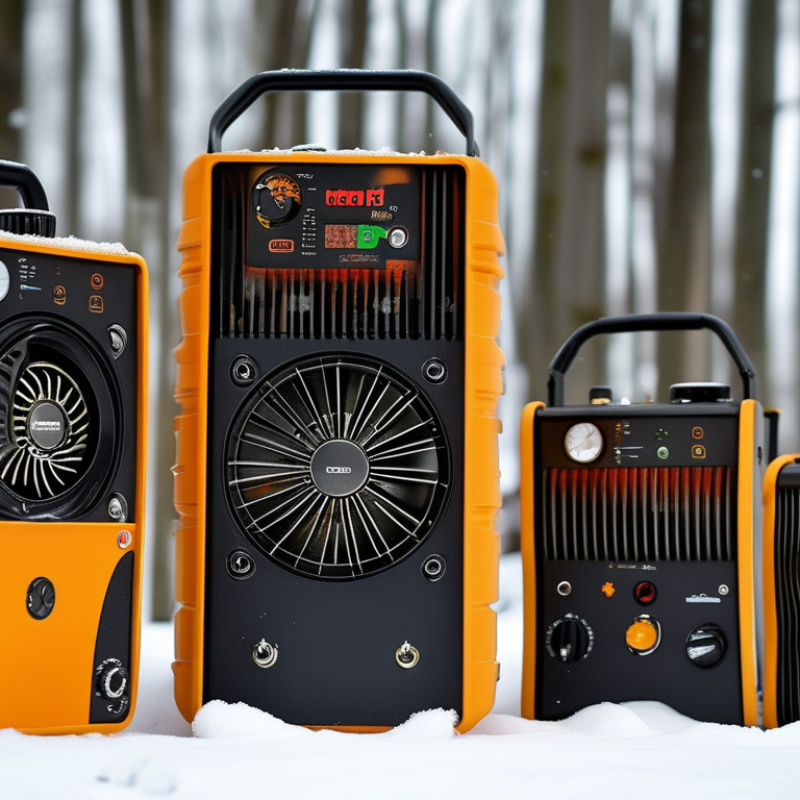
Factors to Consider When Selecting a Diesel Air Heater for Efficiency
Choosing a diesel air heater requires careful consideration of various factors to ensure efficiency. One critical aspect is the heater's heating capacity. It should match the space you intend to warm. Underestimating this capacity can lead to inadequate heating. Conversely, an overpowered unit may result in wasted fuel and higher operational costs. Always estimate your space size correctly.
Another vital factor is fuel efficiency. Look for models that provide high combustion efficiency. This means they convert more fuel into usable heat. Additionally, check for the heater's fuel consumption rate. Some heaters may seem economical upfront but require more fuel over time.
Installation and maintenance also matter. Compact designs can save space, but ensure easy access for servicing. Regular maintenance is crucial for optimal performance. Ignoring this can lead to decreased efficiency and increased safety risks. Think about these details carefully, as the wrong choices can lead to frustration and surprise costs.
Understanding Different Heater Types: Direct vs. Indirect Diesel Air Heaters
When selecting a diesel air heater, understanding the differences between direct and indirect models is vital. Direct diesel air heaters are known for their simplicity and efficiency. They blow hot air directly into the space, offering rapid heating. These units often work well in smaller, enclosed spaces like vans or workshops. However, they come with potential drawbacks. Direct combustion can produce fumes, which may require proper ventilation. If you overlook this aspect, it could lead to harmful air quality.
On the other hand, indirect diesel air heaters provide a more controlled heating environment. They feature a heat exchanger that separates the combustion process from the air being heated. This design ensures that no exhaust fumes mix with the warm air. Indirect heaters are ideal for larger spaces or areas where ventilation is challenging. They can be more complex and typically take longer to heat a space compared to direct models. Yet, this complexity often translates to safer operation in the long run.
Choosing between direct and indirect heaters ultimately depends on your specific needs. Assess the space you intend to heat, the necessary safety requirements, and your long-term comfort. Recognizing these nuances can help you avoid pitfalls when making your selection. Each type has its own merits and shortcomings, making informed decisions crucial for effective heating solutions.
Comparison of Direct vs. Indirect Diesel Air Heaters
Evaluating BTU Output: Matching Heater Capacity to Your Space Requirements
When choosing a diesel air heater, understanding BTU output is crucial. BTU, or British Thermal Unit, measures the heater’s capacity to warm a given space. A higher BTU means faster heating. However, more isn’t always better. Oversizing a heater can lead to rapid cycling. This not only wastes fuel, but can also cause uneven heating.
Consider the size of your space. A small cabin may need only 5,000 to 10,000 BTUs. Conversely, larger spaces can require 20,000 BTUs or more. To determine your needs, measure your area and factor in insulation quality. Poorly insulated spaces may need more heating power.
Here are some tips. Use an online BTU calculator to estimate your requirements. This tool simplifies the process and provides quick insights. Another consideration is the heater's efficiency. Check the fuel consumption ratings. A reliable heater should balance adequate BTU output with fuel efficiency.
Choosing the right heater involves understanding your specific environment and needs. It’s worth researching options thoroughly before making a decision.
Fuel Consumption Rates and Costs: Analyzing Long-Term Economic Impact
When selecting a diese l air heater, fuel consumption rates are crucial to consider. The heater's efficiency can significantly impact your long-term costs. Look for models with clear data on fuel usage. High-efficiency heaters may have a higher upfront cost. However, they often save money in the long run. Each liter of fuel burned translates directly to heating you receive.
Analyzing costs is essential for understanding economic implications. Calculate your expected usage and fuel prices. This analysis helps project potential expenses over time. Sometimes, cheaper units consume more fuel. In these cases, cheaper upfront costs can lead to higher lifetime expenses. It's essential to find a balance. Discussing options with professionals can offer innovative insights.
While evaluating options, consider factors like maintenance and durability. Over time, repairs can add unexpected costs. Verification of the manufacturer's claims is wise. Gather user reviews to gauge performance over time. Not all heaters maintain efficiency through their lifespan. A heater should not just be cheap or efficient; it must also be reliable.
Safety Features and Regulations: Ensuring Compliance in Your Diesel Heater Choice
When selecting a diesel air heater, safety features and compliance with regulations are crucial. Many models come with essential safety mechanisms, such as automatic shut-off controls. This feature prevents overheating and reduces fire hazards. Always check if the heater meets local safety standards and regulations. Compliance not only ensures your safety but also enhances the heater's performance.
Maintenance is another critical aspect that shouldn’t be overlooked. Regularly inspecting your heater can help identify potential issues early. Pay attention to exhaust systems; improper ventilation can lead to dangerous fumes. Additionally, ensure that the fuel used is clean and free of impurities. This simple step significantly impacts the heater's efficiency and longevity.
Documentation is important, too. Many manufacturers provide guidelines on installation and operation. These documents outline required safety features and offer insights into compliance. However, DIY installations often lead to oversights. Reflecting on past mistakes can provide valuable lessons. Always prioritize your well-being and that of others by ensuring thorough evaluations before using your heater.