How to Choose the Right Valve Lockout Chain for Your Needs?
Choosing the right Valve Lockout Chain can significantly enhance safety in industrial environments. Understanding the specific requirements of your facility is essential. A well-selected valve lockout chain ensures that machinery is safely shut down during maintenance.
Various options exist in the market. Each type of valve lockout chain offers different strengths and features. You might find yourself confused by the choices available. Not all chains will meet your needs, and price isn't the only factor. The wrong choice could lead to unsafe situations, highlighting the importance of making informed decisions.
To make the best selection, consider the types of valves you work with. Assess the environments where these valves are located. Recognizing the materials of the valve lockout chains can influence your choice. Experts recommend durability and visibility as primary factors. Reflecting on your unique requirements will help ensure the right fit for safety and reliability.
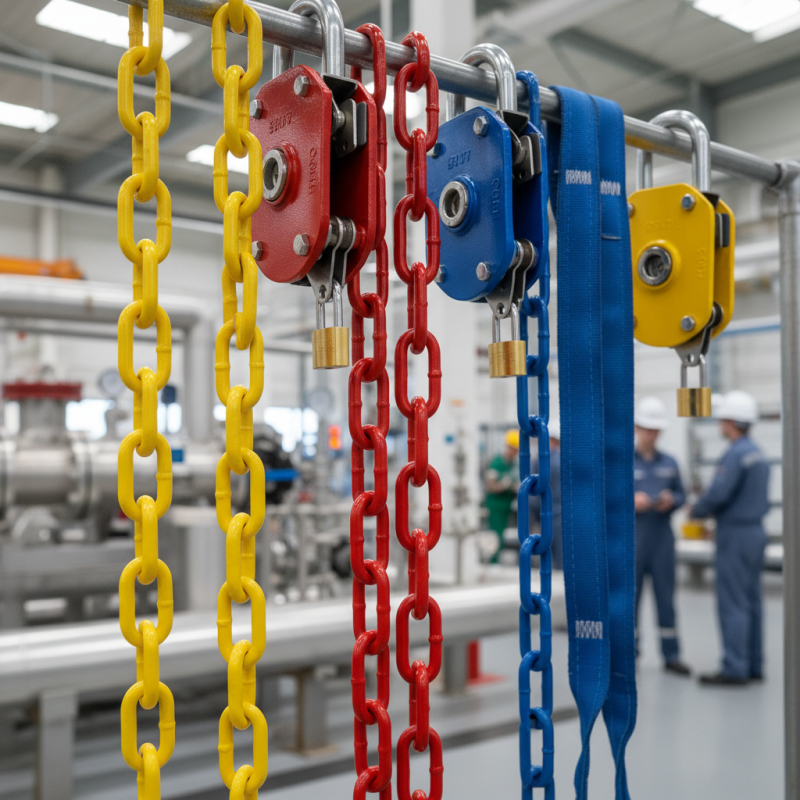
Understanding Valve Lockout Chains: Importance and Applications
Valve lockout chains play a crucial role in maintaining safety in industrial settings. They ensure that valves remain closed during maintenance or emergencies. This protects workers from accidental exposure to hazardous substances. Understanding how to use these chains properly is paramount. It involves knowing where and when to apply them.
Different applications require varied types of lockout chains. For example, a chain designed for a gas line may not suit a steam valve. This mismatch could lead to unsafe conditions. An effective chain is durable and resistant to environmental factors. It should withstand the wear and tear of the operating environment. Not all chains fit every scenario, making proper selection essential.
Reflecting on valve lockout chains reveals areas for improvement. Many facilities still inadequately train staff on these tools. This gap can lead to mishandling and increased risks. Regular training and assessments can bridge that gap. Ensuring proper use is as vital as the chains themselves. Doing so promotes a culture of safety.
Key Factors in Selecting Valve Lockout Chains for Safety Compliance
When selecting a valve lockout chain, safety compliance is paramount. Numerous industry reports highlight that improper lockout procedures can lead to accidents. According to the Occupational Safety and Health Administration (OSHA), nearly 3 million workers are injured annually due to ineffective safety measures. This statistic emphasizes the need for robust lockdown systems.
Consider the material and durability of the chain. Stainless steel chains are often more resistant to corrosion compared to plastic options. In environments where moisture is prevalent, corrosion resistance can enhance longevity. A report by the National Safety Council indicates that chains meeting ANSI standards significantly reduce incidents related to valve manipulation failures.
The flexibility of a valve lockout chain matters, too. A chain that can adapt to various valve sizes ensures comprehensive coverage. Many organizations overlook this aspect, leading to potential hazards. An ideal chain should be easily adjustable and visible in its placement. Visibility helps in maintaining workplace awareness and compliance. Taking these factors seriously ultimately reinforces a culture of safety.
How to Choose the Right Valve Lockout Chain for Your Needs?
This chart illustrates the key factors to consider when selecting a valve lockout chain, rated on a scale from 1 to 10. Material emerges as the most critical factor, with length and weight capacity also being important considerations.
Types of Valve Lockout Chains: Materials and Durability Considerations
When selecting a valve lockout chain, consider the materials. Chains made from stainless steel offer high durability and resistance to corrosion. They can withstand harsh environments, making them ideal for outdoor or chemical applications. Plastic chains, while lighter and more affordable, may not last as long in extreme conditions. Evaluate your environment to determine the best choice.
Durability is equally important. A chain that can break easily won't provide effective lockout protection. Look for chains that can endure repeated use without showing signs of wear. Understanding how the chain will be used can help you choose wisely. Sometimes, a thicker chain is needed. In contrast, lighter options work well for less demanding tasks. Remember, not all chains are created equal; consider your specific needs and potential challenges. Testing different options can provide insight into what truly works.
How to Choose the Right Valve Lockout Chain for Your Needs?
| Chain Type | Material | Durability | Temperature Resistance | Recommended Applications |
| Plastic Chain | Polyethylene | Moderate | -20°C to 60°C | Indoor use, general maintenance |
| Metal Chain | Steel | High | -40°C to 150°C | Heavy-duty industrial settings |
| Composite Chain | Composite Resin | High | -30°C to 90°C | Corrosive environments, outdoor use |
| Chain with Locking Mechanism | Polypropylene | Moderate | -20°C to 70°C | Lockout/tagout compliance |
Industry Standards and Regulations Affecting Valve Lockout Chain Choices
When selecting a valve lockout chain, it is essential to consider industry standards and regulations. Different sectors, such as manufacturing and energy, have specific guidelines that dictate safety measures. Understanding these regulations can help ensure compliance while enhancing workplace safety.
For instance, OSHA and ANSI provide directives that influence the choice of valve lockout chains. These guidelines cover aspects like material strength, visibility, and durability. Chains must be robust to prevent unauthorized access to valves during maintenance. Bright colors are often mandated for visibility, making the lockout procedures clear to everyone nearby.
Failing to adhere to these standards can lead to serious consequences. Compliance not only ensures worker safety but also avoids potential fines. However, many companies underestimate the importance of regular reviews. Maintenance teams should frequently check their lockout chains for wear and tear. Continuous improvement is necessary to address any gaps in safety protocols. Each step taken reinforces a culture of responsibility and vigilance in ensuring that safety standards are upheld.
Cost Analysis: Budgeting for Effective Valve Lockout Solutions
When budgeting for valve lockout solutions, it's essential to consider both initial costs and long-term benefits. Selecting the right valve lockout chain can save money down the line. Investing in durable materials reduces the need for frequent replacements. Budgeting for quality tools is crucial for workplace safety and compliance.
Tips for Effective Budgeting: Always compare product options. Look for specialized features that fit your operation. They can impact safety and cost-effectiveness. Don't forget to factor in training costs. Staff must understand how to use lockout systems properly. A well-informed team reduces the risk of accidents and costly mistakes.
Don’t overlook hidden costs. Installation fees or regular maintenance may arise. It's wise to include these in your budget. Evaluate your needs carefully before making a decision. Sometimes, cheaper options may not provide the reliability you need. Balancing cost and quality is essential for long-term success.