Top Residential Irrigation Systems for Global Buyers?

Choosing a residential irrigation system requires more than comparing prices and attractive product photos. Global buyers face different climates, soil types, water pressures, electrical standards, and maintenance conditions. A system that performs well in Arizona may waste water in southern England. Climate matters. So do slope, soil texture, plant selection, and local water restrictions.

Experienced installers often test flow at an outdoor tap before designing irrigation zones. They inspect filters, valves, wiring, backflow protection, and controller access. These details can separate dependable watering from expensive frustration. Drip lines suit vegetable beds, shrubs, and narrow planting areas. Rotary heads may cover lawns efficiently, but wind can distort their spray patterns. Smart controllers can adjust schedules using weather data, yet internet access is not guaranteed everywhere. A manual override remains useful during outages.

That sounds simple.

It is not always simple. Buyers should examine manufacturers’ flow rates, warranty terms, replacement parts, and technical support. Independent certifications and clear installation instructions can strengthen confidence, although labels do not replace professional judgment. Regional plumbing and voltage requirements also deserve careful confirmation. Even careful comparisons have limits. A clogged emitter, uneven pressure, or buried cable can expose weaknesses quickly. Maintenance is often underestimated, especially after installation teams leave.

This guide reviews leading options for global residential buyers through practical performance, water efficiency, component durability, and service availability. No universal best system exists. The strongest choice matches the site, the user’s skills, and local professional advice. Responsible design matters as much as advanced technology.

Top Residential Irrigation Systems for Global Buyers?

Types of Residential Irrigation Systems for Global Buyers

Top Residential Irrigation Systems for Global Buyers

Types of Residential Irrigation Systems for Global Buyers

Residential irrigation is not one universal product. A reliable choice depends on soil, water pressure, climate, and maintenance habits. Drip irrigation releases water slowly beside plant roots, reducing surface evaporation. It suits vegetable beds, shrubs, and narrow planting areas. Spray systems provide broad coverage for lawns and open gardens. Rotor systems distribute water in slower streams, making them useful for larger lawns. Micro-sprinklers offer gentle coverage for flower beds and young trees. Start with the soil.

The UN World Water Development Report 2024 states that agriculture accounts for roughly 70% of global freshwater withdrawals. Residential gardens therefore need careful control, especially in dry regions. The U.S. EPA WaterSense program reports that weather-based controllers can save an average household nearly 24,000 gallons of water annually. Soil-moisture controllers can prevent watering after rainfall. Pressure matters. In dry climates, drip lines may clog without filtration, while spray heads can lose water in strong wind.

Global buyers should check pipe sizes, voltage requirements, local water quality, and available replacement parts. A qualified installer can measure pressure before selecting emitters or nozzles. Rainwater systems may support irrigation, but local rules and storage conditions differ. No controller fixes poor installation. Irrigation plans are rarely perfect. Seasonal testing, visible leak checks, and adjusted run times remain necessary, even with automated equipment.

Key Components and How Residential Irrigation Systems Work

Top Residential Irrigation Systems for Global Buyers?

Key Components and How Residential Irrigation Systems Work

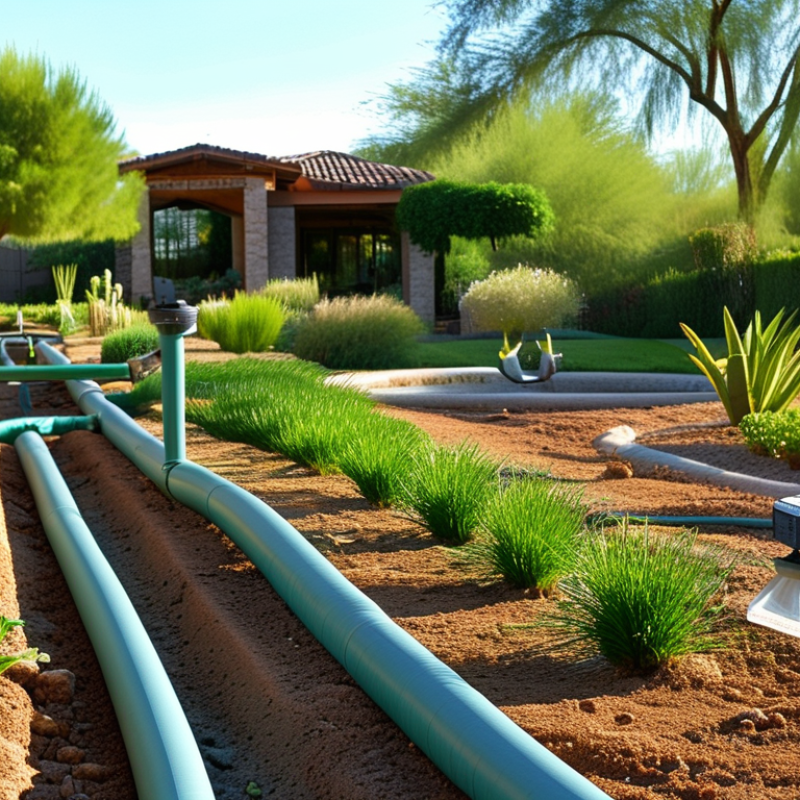
A residential irrigation system delivers water through controlled zones. Each zone serves lawns, planting beds, or containers with similar watering needs. The water source connects to a shutoff valve, filter, pressure regulator, and backflow prevention device. These parts protect both the equipment and household water supply.

The controller opens electric valves according to a programmed schedule. Water then moves through buried pipes, flexible tubing, sprinklers, or drip emitters. Sprinklers cover wider lawns, while drip lines release slower flow near plant roots. Soil moisture sensors can pause watering after rainfall. Useful, but not flawless. Sensors may read one shaded area and misrepresent the whole garden.

Reliable systems depend on correct pressure and pipe sizing. Excess pressure can damage emitters, while weak pressure creates dry patches. In practice, installers should test every zone using a pressure gauge and visible catch containers. Uneven coverage is easy to miss. Small filters also need regular cleaning, especially where water contains sediment.

Global buyers should consider climate, water quality, voltage, replacement parts, and local installation rules. Freezing regions require seasonal drainage and insulated components. Hot, windy areas may need shorter cycles and deeper watering. A controller with weather adjustment can reduce waste, but it still needs human review. Plant roots, soil texture, and recent rainfall can change quickly. No schedule remains perfect.

How to Compare Irrigation Efficiency, Coverage, and Water Use

Residential irrigation should be judged by measured performance, not attractive specifications.

A practical comparison starts with uniformity across lawns, planting beds, and containers. During a home audit, place identical catch cups across each zone. Run the system for ten minutes.

Compare the collected depths. Large differences reveal dry patches and unnecessary runoff. Keep records.

Efficiency also depends on delivery method and scheduling.

Drip lines apply water near roots, while spray heads may lose moisture through wind and evaporation. Yet drip systems are not automatically better. Clogged emitters create hidden stress, especially when filtration is neglected.

Check pressure at the farthest outlet, not only beside the valve. Soil matters too. Sandy beds drain quickly. Clay may need shorter cycles with pauses.

Coverage should match plant needs rather than create one wet carpet.

A shaded border may need less water than a sunny lawn, even within one garden. Smart controllers can adjust timing using rainfall and weather data, but sensors need correct placement.

I once saw a rain sensor beneath an overhang. It reported dry conditions after heavy rain. That mistake increased water use.

Review monthly meter readings, inspect leaks, and adjust seasonal schedules. Perfect efficiency is unlikely. Record each adjustment and inspect the zone again after the next hot week.

Installation and Maintenance Requirements Across Different Regions

For global buyers, irrigation performance begins with regional ground conditions, not controller features. In humid climates, drip lines need drainage and careful spacing. In arid zones, buried pipes reduce evaporation, but filters clog faster with dusty water. Coastal properties need corrosion-resistant fittings and frequent flushing. Cold regions require seasonal shutdowns, pipe blowout, and protected backflow devices. Timing matters. A system installed before the rainy season may need less initial watering. Poor soil testing can still create runoff. The U.S. EPA WaterSense program reports that outdoor use can exceed 30% of household consumption, reaching 60% in dry climates. That difference changes equipment sizing, not only watering schedules.

Installation should begin with a pressure test, soil infiltration check, and measured flow audit. Keep it simple. Local technicians should verify backflow protection, electrical safety, and permitted connections under regional codes. FAO AQUASTAT reports that agriculture represents roughly 70% of global freshwater withdrawals. Residential landscapes are smaller, but they face similar scarcity pressures. Maintenance should include monthly emitter inspections, filter cleaning, leak checks, and seasonal controller adjustments. In freeze-prone areas, drain lines before the first hard frost. In hot regions, inspect for sun-brittle tubing and salt buildup. A rain sensor helps, but it cannot fix poor zoning. Field inspections often reveal wasted water when one valve serves lawns and shrubs together. That design deserves reconsideration. Buyers should request commissioning records, replacement-part availability, and a maintenance plan suited to local water quality and climate.

Top Residential Irrigation Systems for Global Buyers? - Installation and Maintenance Requirements Across Different Regions

System Type Best-Fit Residential Applications Suitable Climate or Region Typical Water-Use Efficiency Key Installation Requirements Routine Maintenance Regional Installation Considerations
Drip Irrigation Vegetable gardens, flower beds, shrubs, hedges, and container plants Arid, Mediterranean, warm-temperate, and water-restricted regions Generally about 80–95% application efficiency when correctly designed Pressure regulator, filtration, distribution tubing, correctly sized emitters, and separate zones for plants with different water needs Flush lines periodically; clean filters; inspect emitters for clogging, leaks, and rodent damage; replace blocked or damaged components Use fine filtration where water contains sediment. In areas with freezing winters, drain or protect exposed tubing before frost.
Micro-Spray Irrigation Flower beds, ground cover, young trees, and small landscaped areas Warm-temperate, subtropical, Mediterranean, and moderate-humidity climates Typically about 70–90%, depending on wind and spray pattern Low-pressure supply, filters, risers or stakes, correct spray radius, and adequate spacing to prevent dry patches Check spray heads for clogging and movement; adjust coverage as plants grow; remove weeds around emitters Avoid operation during strong wind. In humid or rainy regions, use shorter cycles and moisture-based scheduling to reduce oversaturation.
Fixed Spray Irrigation Small lawns, narrow planting strips, and compact garden areas Temperate and humid regions with relatively calm weather Often about 60–75%; lower efficiency can result from evaporation, runoff, and wind drift Adequate water pressure, correctly spaced spray heads, backflow protection where required, and separate lawn zones Clean nozzles; check for broken heads and overspray; verify head alignment; test for leaks at the start of each watering season Not ideal for windy or drought-prone locations. Follow local watering-time restrictions and avoid watering paved surfaces.
Gear-Driven Rotor Irrigation Medium and large lawns, open garden areas, and irregular landscapes Temperate, warm-temperate, semi-arid, and large residential properties Commonly about 65–85% with matched precipitation and proper scheduling Higher flow capacity than drip systems, adequate pressure, correctly calculated arc and radius, and head-to-head coverage Inspect rotation, arcs, seals, and nozzles; clean filters; adjust heads after landscaping work; check for low-pressure symptoms Use longer, slower cycles on compacted or sloped soils to reduce runoff. Winterize underground lines in freezing climates.
Subsurface Drip Irrigation Lawns, tree rows, shrub beds, and areas where surface tubing could be damaged Arid and water-sensitive regions; also suitable for managed landscapes in temperate areas Generally about 85–95% when pressure and filtration are properly controlled Burial at a suitable depth for the soil and plant type, reliable filtration, pressure regulation, flush valves, and accurate pipe mapping Flush lines; monitor pressure; inspect accessible valves; check for root intrusion and animal damage; keep installation records for future repairs Requires careful planning because leaks are less visible. Avoid installation where future excavation or frequent deep cultivation is expected.
Smart Weather-Based Irrigation Whole-property landscapes requiring automatic seasonal adjustment Regions with variable rainfall, seasonal temperatures, or water-use regulations The controller does not determine efficiency alone; savings depend on the connected irrigation hardware and correct programming Compatible valves, reliable power, weather or soil-moisture input, stable connectivity where required, and accurate soil, slope, plant, and nozzle settings Check sensor accuracy; update seasonal settings; test valves; review alerts and run history; maintain backup settings after power interruptions Rain sensors are valuable in wet climates, while soil-moisture sensors can help on sandy or highly variable soils. Local network availability may affect remote control.
Rainwater-Connected Irrigation Garden beds, trees, shrubs, and non-potable landscape irrigation Monsoon, tropical, humid subtropical, and rainfall-season regions Water savings depend on tank capacity, rainfall, demand, and system design rather than emitter type alone Gutter screening, first-flush diversion where appropriate, covered storage, pump or gravity supply, filtration, overflow routing, and a separate non-potable-water network Remove debris; inspect tank covers and screens; clean filters; check pumps and overflow paths; prevent mosquito access; monitor stored-water quality Requirements vary by local plumbing and public-health rules. Do not connect untreated rainwater directly to potable-water lines without approved backflow protection.
Cold-Climate Seasonal System Lawns and gardens in areas exposed to freezing temperatures Cold continental, high-altitude, and northern temperate regions Efficiency depends on the selected emitters; seasonal shutdown prevents freeze damage rather than directly reducing application losses Proper pipe burial, accessible isolation valves, drain points or approved blowout procedures, and frost-protected backflow equipment Close and drain the system before hard frost; remove or protect above-ground components; restart gradually after the last freezing period Compressed-air winterization should be performed only at safe pressures and with suitable procedures. Follow local regulations for backflow assemblies.

Technical figures are typical planning ranges. Actual performance varies with pressure, soil, slope, wind, emitter spacing, system design, local water quality, and maintenance practices.

Smart Features, Costs, and Selection Criteria for Homeowners

Smart irrigation systems can reduce water waste, but their value depends on local conditions. A useful system combines scheduled zones, rain detection, soil-moisture readings, and weather-based adjustments. Mobile control is convenient when homeowners travel. Manual override matters more than many buyers expect. Wi-Fi failure should not stop watering.

Costs vary by property size, climate, and installation difficulty. A small garden may need only a basic controller and several valves. Larger homes require stronger pumps, separate zones, pressure regulation, and longer pipe runs. Hardware prices are only part of the budget. Allow for trenching, electrical work, sensor placement, seasonal maintenance, and possible repairs. Imported equipment may also involve different voltage or connector standards.

Selection should begin with the landscape, not the app. Measure water pressure, identify sunny and shaded areas, and group plants with similar needs. Drip lines suit beds and shrubs, while rotating sprinklers often serve lawns more evenly. Check whether replacement parts are readily available locally. A clear interface helps older users and reduces programming mistakes. In field assessments, poor sensor placement has caused more trouble than missing smart features. Sensors installed beneath roof runoff can produce misleading readings. That detail is easy to miss. Buyers should request flow monitoring, leak alerts, weather compatibility, and a reliable manual setting. A cheaper system can become expensive when it cannot adapt to changing seasons. Reliability deserves more attention than impressive specifications.