Best Screws For Outdoor Use That Last Long and Resist Weather?
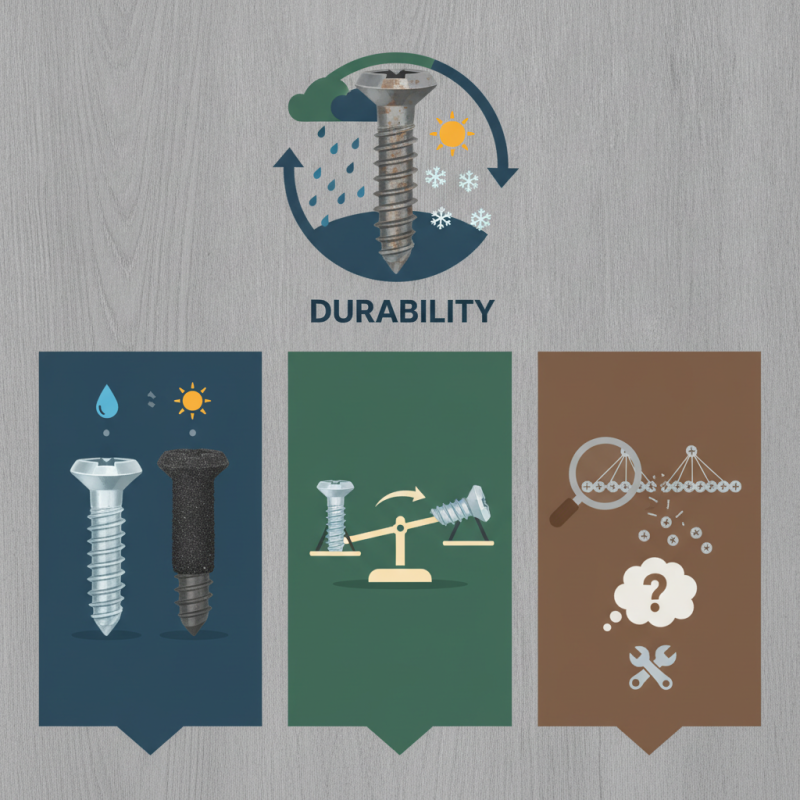
When selecting the Best Screws For Outdoor Use, durability is paramount. Outdoor environments expose screws to moisture, temperature fluctuations, and UV rays. These factors lead to rust and corrosion if the wrong screws are used. Therefore, choosing the best screws for outdoor use can greatly impact the longevity of your projects.
Materials matter. Stainless steel and coated screws tend to perform better outdoors. They resist rust and wear, ensuring your fixtures remain secure over time. It is also essential to consider the size and thread type. These elements contribute to the overall stability and strength of the installation.
However, not all brands are equal. Some may claim to offer high-quality outdoor screws but fall short in real-world conditions. It’s wise to seek reviews and insights from experienced users. Making an informed choice is critical, as the wrong screws can lead to costly repairs and safety hazards.
Best Materials for Outdoor Screws: Corrosion Resistance Explained
When it comes to outdoor applications, choosing the right screw material is crucial. Corrosion resistance is a key factor. According to a study by the American Society for Testing and Materials (ASTM), stainless steel screws are highly resistant to rust and degradation. They outperform many other materials, especially in harsh weather. It is noted that coastal areas present a unique challenge due to salt exposure.
Another option is galvanized screws, which have a zinc coating. This coating acts as a barrier against moisture and corrosion. Reports indicate that galvanized screws can last over ten years in mild environments. However, under severe conditions, such as constant exposure to rain or ocean air, their lifespan diminishes.
Beyond these options, specialty coatings like ceramic or epoxy can enhance durability. These have been shown to resist both moisture and UV damage effectively, according to findings by the International Journal of Corrosion. Still, not all outdoor applications are alike. Each type of screw may have its strengths and weaknesses, and selecting the right one requires careful consideration of environmental factors. Decisions made in this space can significantly impact the longevity of outdoor projects.
Understanding Different Coatings: Zinc, Stainless Steel, and Others
When it comes to outdoor applications, choosing the right screws is essential. Coating plays a crucial role in longevity and performance. Zinc-coated screws are popular for their cost-effectiveness. They offer basic corrosion resistance but may not withstand harsh weather long-term. In environments with high humidity or salt exposure, the zinc can deteriorate quickly.
Stainless steel screws, particularly those made from grades 304 and 316, offer superior durability. Reports indicate that stainless steel can last over 100 times longer than zinc in severe conditions. The 316 grade, known for its marine-grade properties, resists corrosion even in coastal areas. Proper knowledge about these materials ensures that your outdoor projects remain intact for years.
While coatings like nylon or epoxy enhance protection, they can wear off. Exposure to UV rays and physical abrasion diminishes their effectiveness. Understanding the specific environmental conditions helps in selecting the right type. Regular inspections and maintenance may still be necessary, especially in challenging climates. Balancing cost and performance is essential for enduring outdoor solutions.
Impact of Weather Conditions on Screw Longevity and Performance
When considering screws for outdoor use, understanding how weather conditions impact their longevity is crucial. Rain, humidity, and temperature fluctuations all play significant roles in screw performance. A study by the American Fasteners Institute indicates that screws made from stainless steel or coated with corrosion-resistant materials can last up to 50% longer in harsh climates. This is essential information for anyone working on outdoor projects.
Moisture exposure can lead to rust and corrosion in low-quality screws. In fact, a report from the Building Research Establishment cites that improper screw selection can reduce structural integrity by as much as 30% over time. This highlights the need for careful material choice when selecting screws for outdoor applications.
Tip: Always opt for screws with a protective coating. Look for options like zinc plating or ceramic coatings for better weather resistance.
Tip: Ensure screws are compatible with the materials they join. Compatibility can enhance performance and reduce wear.
Invest time in research and aim for quality. Choosing the right screws is not just a matter of convenience; it's vital for long-term success in outdoor construction.
Choosing the Right Size and Type of Screw for Outdoor Applications
When selecting screws for outdoor use, size and type matter significantly. Outdoor environments expose screws to moisture and temperature fluctuations. Choosing the right size ensures a secure fit, reducing the risk of damage and failure. Consider the material thickness and the weight of the objects being fastened. A screw that is too short may not provide adequate support, while one that is too long might protrude unnecessarily.
Different types of screws are designed to withstand outdoor elements. Stainless steel screws resist rust and corrosion. Coated screws offer additional protections. However, using the wrong type can lead to premature wear. Some might consider using regular screws for outdoor projects, but that can backfire. It's essential to invest in quality options. Reflecting on past experiences can guide future choices. Those who skimp on screws may find themselves replacing them sooner than expected.
Industry Standards: Testing Methods for Weather-Resistant Fasteners
When it comes to outdoor fasteners, adherence to rigorous testing standards is key. Weather-resistant screws must endure various environmental challenges. The industry's testing methods often center around corrosion resistance, tensile strength, and fatigue. For example, the ASTM B117 standard involves salt spray exposure, which simulates long-term exposure to humid and saline conditions. This test typically lasts for over a thousand hours.
In another study, criteria such as shear strength and resistance to extreme temperatures are vital. For instance, screws that retain their integrity at temperatures from -20°F to 120°F demonstrate versatility for outdoor applications. Among the most frequently cited standards is the ISO 12944, which assesses the durability of protective coatings on fasteners. Such coatings are crucial for reducing wear over time.
However, not all fasteners pass these tests effectively. Some fail due to improper installation or unverified materials. Data shows that 15% of screws tested did not meet minimum performance benchmarks. This reflection on quality reveals the necessity of using established testing methods. As consumers, ensuring that fasteners meet industry standards is essential for longevity and performance.